
Where to Find Green Chile Roasting in Denver: A Sake Brewer's Guide
You smell roasting chile before you see the drum: fresh peppers turning smoky and blistered over an open flame. Colorado's chile harvest normally begins in August, so late July is the time to plan, not to pretend every Denver roaster is already running. This guide explains the season, where to check for current roasting, and Colorado Sake Co.'s documented house pairing for pork or vegetable green chile.
Quick answer: Colorado's chile harvest normally begins in August. For 2026, a Pueblo grower expected roasting to begin during the second week of August and continue through October. Confirm a vendor's current schedule before visiting; Colorado Sake Co.'s documented house pairing is Horchata Nigori.
On this page
Key Takeaways
- Colorado's chile season normally runs from August into October, and 2026 roasting was expected to begin during the second week of August.
- Buy fresh-roasted by the bushel at farmers markets, then peel, de-seed, and freeze in one-cup portions to last until spring.
- Colorado Sake Co.'s documented house pairing for pork or vegetable green chile is Horchata Nigori, whose house notes describe a creamy body with gentle cinnamon-and-vanilla sweetness.
- Colorado Sake Co. brews Junmai Ginjo in RiNo and documents Horchata Nigori as its house pairing for Colorado green chile.
When Does Green Chile Roasting Start in Denver?
Colorado's produce calendar places chile peppers in season from August into mid-October. For 2026, a Pueblo grower told local news that roasting should begin during the second week of August and continue through October. In Denver, that means late July is still the watch-and-confirm window. Check a market or roaster's current schedule before making a special trip.
Pueblo chiles are grown in the Arkansas River Valley in southeastern Colorado, and Mosco is one of the region's recognized varieties. New Mexico's Hatch-grown chiles have their own tradition. Roasting season brings both into Front Range markets, where the fresh peppers take on a grassy, smoky aroma as they blister.
Where Can You Buy Green Chile in Denver?
Start with a roaster that has posted a current 2026 location. Guerreros Chile lists City Park Farmers Market, which runs Saturdays through the end of October. Other Denver markets are open this season, but a general market listing does not prove a chile roaster will be there on a particular weekend, so confirm the vendor before you go.
If you want volume, buy by the bushel. A full roasted bushel is a lot of pepper, so most people split one, peel and de-seed at home, then bag and freeze in one-cup portions that last until spring. Which roaster Denver cooks trust usually comes down to whichever grower they met at a market three years ago and never stopped following.
Does Costco Sell Green Chile?
Sometimes, but warehouse inventory and roasting events vary. Check the current listing or call the Colorado warehouse you plan to visit rather than assuming a roaster will be there.

Who Has the Best Green Chile in Denver?
This is a genuine local blood sport, and the honest answer is that it depends on whether you like your chile pork-heavy and gravy-thick or brothy and pepper-forward. The green chile Denver debate lights up Reddit every September, and no two lists agree.
Current menus confirm green chile at Santiago's, Sam's No. 3, and Brewery Bar II. They are practical starting points, not endorsements or a claim that one is objectively best. Menus change, so check the restaurant's current listing before going for a specific dish.
Vegetarian options exist, but do not assume every green chile is meat-free. Sam's No. 3 currently lists a veggie green chili; at other restaurants, ask what is in the pot and check the current menu.
Is Green Chile a Colorado Thing?
Colorado and New Mexico both have strong green-chile traditions. Pueblo chile identifies Colorado-grown peppers from the Arkansas River Valley, while Hatch refers to chiles grown around Hatch, New Mexico. Recipes vary by cook and restaurant, so neither state fits one universal texture or style.
What to Pour With Green Chile Denver Style
At Colorado Sake Co. in the RiNo Art District, the house pairing for green chile is grounded in a sake we actually brew. Sake is brewed, not wine-made: koji mold (Aspergillus oryzae) converts rice starch to sugar while yeast ferments it at the same time, a process called multiple parallel fermentation. That brewing method is useful context, but the green-chile recommendation comes from our documented house pairing.
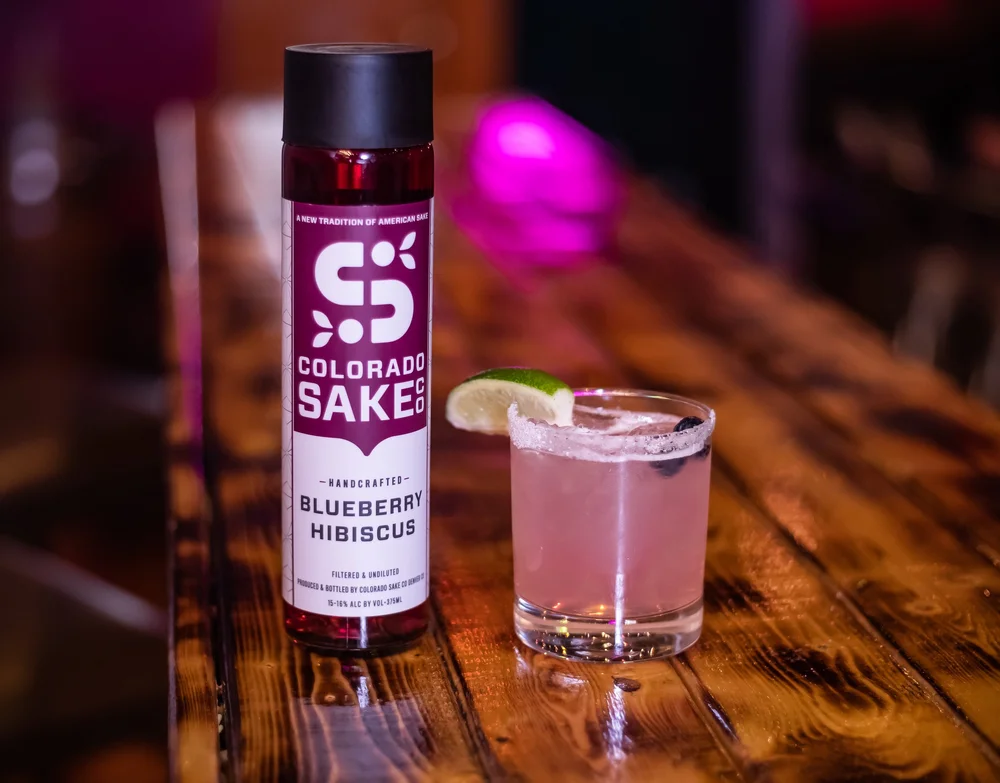
Green chile can be smoky, savory, and hot, so the pairing needs a clear point of contrast. Our house pairing for a bowl of Colorado green chile, pork or vegetable, is Horchata Nigori. The verified product notes are straightforward: creamy body with gentle cinnamon-and-vanilla sweetness. Alongside roasted chile, that profile gives the meal a contrasting pour without relying on claims about tannin, capsaicin, or what rice solids do to the palate.
If you are cooking green chile at home, think of sake the way you would a crisp lager or a horchata: a cold, refreshing counterweight rather than a competitor. American Standard is another option; the verified house notes describe a clean, slightly sweet melon character with gentle acidity. For the broader framework behind the choice, see our sake and food pairing guide.
We polish the rice and ferment the main mash cold, choices that shape the sake served with the dish. If you want to dig further into the process, check the Sake 101 class page for the current restart schedule.
Make a Weekend of It in RiNo
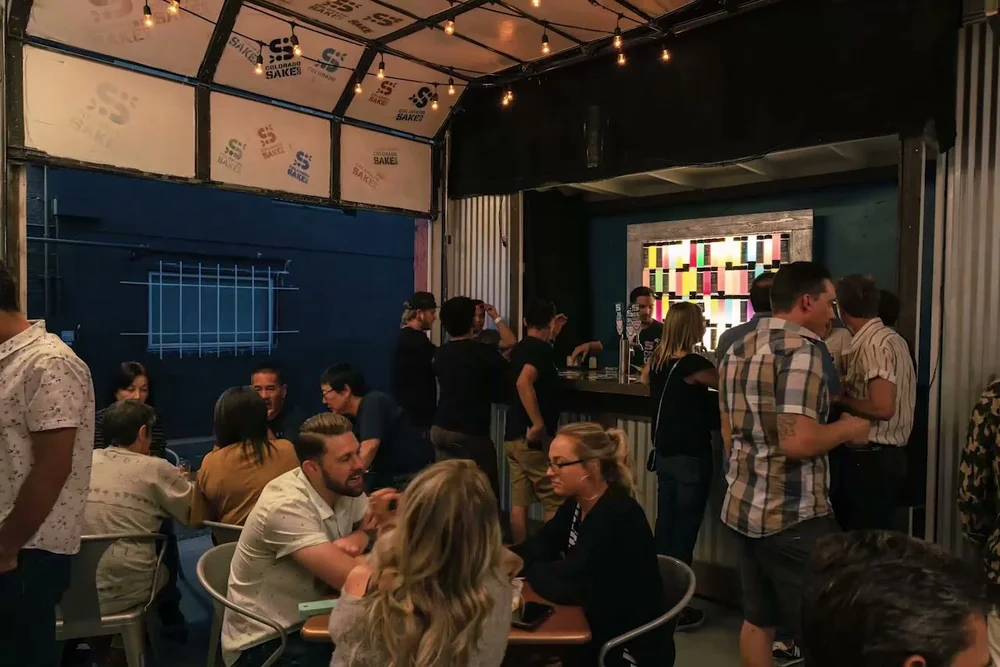
Green chile season and RiNo go together better than you would think. Spend a Saturday morning at a market watching the roasters turn, then wander into the neighborhood for the afternoon. Our RiNo neighborhood guide maps out the murals, patios, and food stops within a few blocks of the taproom.
One possible itinerary is to buy chile in the morning, then stop for a flight of house-brewed sake and a plate in the afternoon. You can browse the current lineup on our taproom menu or take a bottle of Horchata Nigori home from the sake store to pour alongside whatever you simmer up this weekend.
Green chile is Denver at its most generous: smoky, endlessly argued over, and better shared. Colorado Sake Co.'s own route through the neighborhood has also been stubborn; our account of the RiNo brewery shakeout explains that story. At the table, the recommendation stays simple: try the documented Horchata Nigori pairing and decide for yourself.