
What is sake?
A simple and comprehensive guide to the essentials of sake
Explore the Rich World of Sake with Colorado Sake Co.'s Blog. Immerse yourself in the exquisite universe of sake as our blog takes you on a captivating journey through the art, culture, and craftsmanship of this ancient Japanese beverage. From in-depth guides on different sake varieties and brewing techniques to fascinating stories behind our unique flavor profiles, our blog is your passport to the intricate world of sake. Whether you are a seasoned sake connoisseur or a curious novice, our blog offers a treasure trove of knowledge, tips, and inspiration that will deepen your appreciation for this exceptional libation. Join us as we share the passion and expertise that make Colorado Sake Co. a pioneering force in the sake industry.

How to Warm Sake at Home: The Hot Water Bath Method (and What Heat Actually Does to It)
A practical guide to warming sake at home from a Colorado sake brewery: the traditional hot water bath, warm sake temperatures, which styles to heat, and which to keep cold.
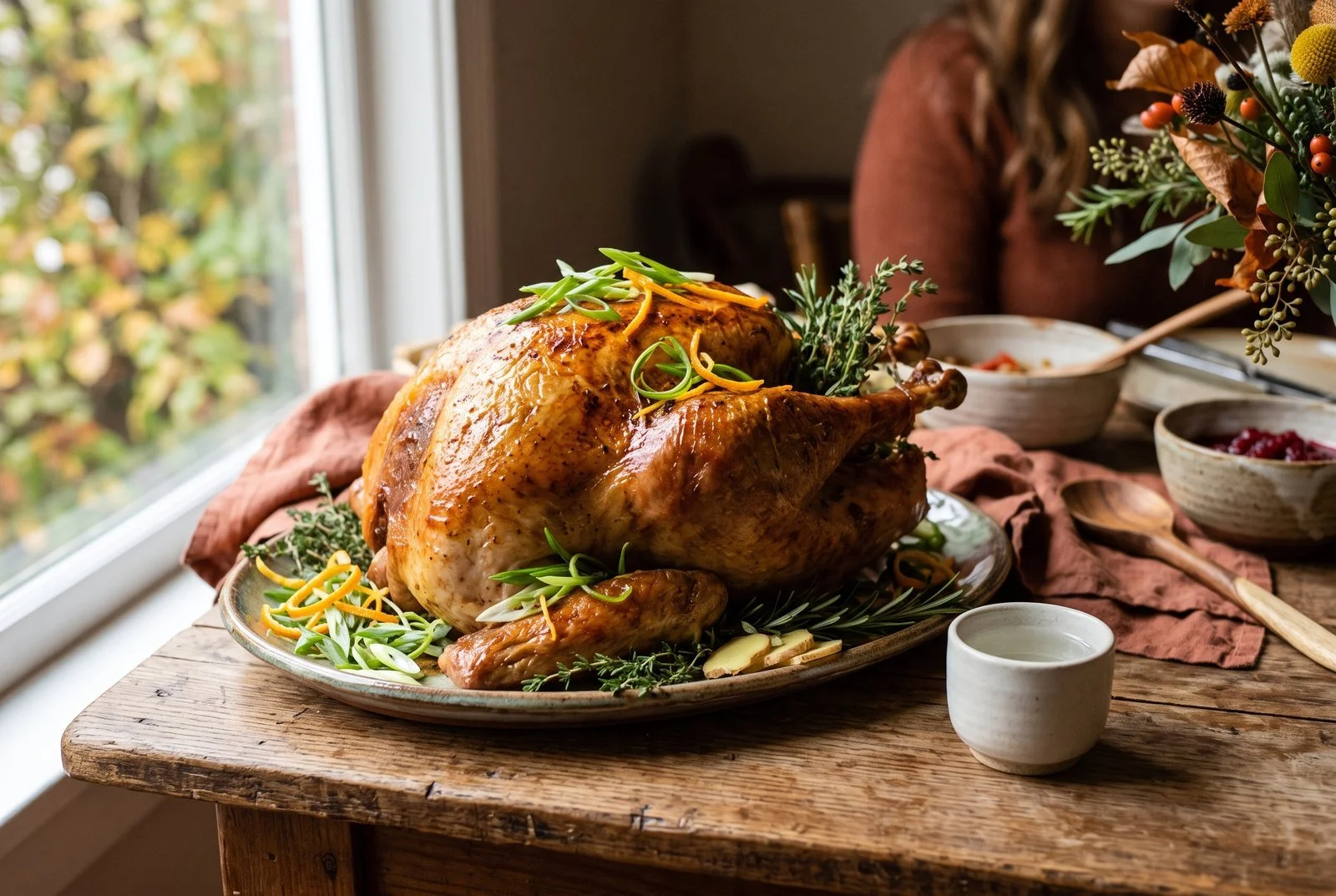
How to Brine a Turkey With Sake: A Brewer's Thanksgiving Method
A brewer's sake turkey brine, step by step: measured ingredients, timing, USDA handling, and why an unsalted sake keeps the salt math simple.

What to Expect at a Sushi Making Class in Denver
What really happens at a beginner sushi making class in Denver: how long it takes, what it costs, the three rolls you'll make, and why it's a great date night or gift.

3 Fall Sake Cocktails With Apple Cider and Spice
Three easy fall sake cocktails from our Denver brewery: an apple cider sake sour, a spiced Horchata Nigori cup and a sparkling cider highball.

What Sake to Drink With Sushi: A Brewer's Guide
A practical guide to pairing sake with sushi, from delicate white fish to spicy rolls, with clear advice on junmai ginjo, nigori, and serving temperature.

How We Brew American Sake in Denver: Rice, Water, Koji, and Altitude
A fact-locked look inside our Denver brewery: Arkansas rice, house-made koji, rebuilt water, cold fermentation, and undiluted Junmai Ginjo.