
Sake Food Pairing: What to Eat With Sake
Quick answer: Match the weight of the sake to the weight of the dish. Pour light, aromatic Ginjo and Daiginjo with delicate food (sashimi, oysters, salads), and richer Junmai with hearty food (fried chicken, steak, ramen, cheese). Reach for cloudy Nigori or off-dry styles with spicy dishes and dessert. Sake's low acidity and umami make it work where wine clashes.
On this page
Key Takeaways
- Sake's lower acidity, lack of tannins, and high umami make it far more food-flexible than wine.
- The core rule: match the intensity of the sake to the intensity of the dish.
- Each style has a sweet spot, Ginjo with delicate food, Junmai with hearty food, Nigori with spice and dessert.
- Sake excels at the foods wine struggles with: fried chicken, eggs, cheese, and chili heat.
- Fresh, unpasteurized American sake, like ours in Denver's RiNo Art District, is especially clean and pairing-friendly.
Why Sake Pairs With Almost Anything
Sake is the most food-flexible drink on the table because it brings umami and softness instead of acid and tannin. Most pairing problems with wine come from two places: sharp acidity and grippy tannins that clash with delicate or savory food. Sake has neither in large measure, which is why it gets along with so much.
Three levers do the work:
- Umami bridging. Sake is naturally rich in glutamates (umami), produced as koji enzymes break rice starch into sugars and rice protein into amino acids. When you pour it alongside other umami-heavy foods, grilled meat, mushrooms, aged cheese, soy-glazed anything, the savory notes amplify each other instead of competing.
- Low acidity, no tannin. Without the metallic bite some wines bring to seafood, sake stays clean against delicate fish and shellfish. It won't leave that tinny aftertaste a high-acid white can give raw oysters.
- A gentle palate cleanser. Sake's smooth body and faint sweetness rinse fat and salt off the palate between bites, which is exactly why it's so good with fried and rich food.
One more practical note: sake sits around 15–16% ABV, a touch above most table wine. That extra body helps it stand up to bold flavors, and like any wine it rewards slow, mindful sipping across a meal.
Pair Sake by Style (Quick-Reference Table)
The fastest way to pair sake is to start from the style in your glass. Each major style has a flavor profile that points straight at a category of food. Use this table as a cheat sheet, then trust your own palate.
| Sake style | Flavor profile | Best foods |
|---|---|---|
| Ginjo / Daiginjo | Light, aromatic, fruity-floral (apple, pear, melon); delicate body | White-fish sashimi, oysters, ceviche, steamed vegetables, citrus salads, fresh goat cheese |
| Junmai | Rich, savory, rice-driven umami; dry to off-dry; full body | Grilled meats, yakitori, ramen, tempura, fried chicken, miso dishes, aged cheese, steak |
| Nigori (cloudy) | Creamy, lightly sweet, fruity; soft texture | Spicy curries, chili-heavy dishes, Korean BBQ, fruit desserts, dark chocolate |
| Sparkling sake | Crisp, effervescent, often off-dry; refreshing | Fried foods, brunch, charcuterie, light apps, a celebratory toast |
| Koshu (aged) | Deep, nutty, caramel and dried-fruit notes; amber color | Braised meats, blue and aged cheeses, rich chocolate, treat it like sherry |
The throughline is intensity. Delicate sake wants delicate food; a bold dish needs a sake with enough body to meet it. If you're still learning to read a sake's weight by taste, our beginner's guide to sake tasting walks through how to spot it in the glass.
Pairing Sake Beyond Sushi: By Cuisine
Sushi is the obvious match, but sake's real superpower is everything else. Limit it to Japanese food and you miss most of what it can do. Here's how it performs across the table.
Sushi, Sashimi & Seafood
The classic, and for good reason: the umami in fish and rice meets the umami in sake, and there's no metallic clash. Pour a crisp Ginjo with sashimi and lighter nigiri; step up to a fuller Junmai for fatty tuna belly (toro), grilled scallops, or even a rich clam chowder, where a little body cuts the richness.
Fried Foods
This is where sake outshines wine. Oil and salt coat the palate; a dry Junmai or a sparkling sake rinses it clean so the next bite tastes like the first. Tempura, karaage, Korean fried chicken, fish and chips, classic American fried chicken, all winners. Fried chicken with chilled dry sake is one of the most reliable pairings we serve.
Grilled Meats & Hearty Fare
Sake is not just for delicate plates. A robust Junmai or a savory Yamahai- or Kimoto-style sake (traditional methods that build bolder, earthier flavor) stands up to grilled steak, pork belly, short ribs, yakitori with tare, and even a good burger. The umami-on-umami interplay is the whole appeal.
Spicy Dishes
Chili heat wrecks high-acid, high-alcohol wines. Sake handles it two ways: a lightly sweet Nigori or off-dry style soothes the burn, while a clean dry sake refreshes between bites. Reach for it with Thai curry, spicy ramen, Sichuan dishes, tacos, or a Colorado green-chile plate.
Cheese & Charcuterie
Unexpected, but a revelation. Sake's umami and lack of tannin make it friendlier to cheese than most red wine, it flatters everything from creamy brie to sharp aged cheddar to funky blue, and the savory depth of cured meats. Build a board and pour a Junmai; it rarely misses.
Dessert
Finish with a cloudy Nigori or an aged Koshu. Nigori's gentle sweetness loves fruit tarts, cheesecake, and dark chocolate; Koshu's caramel-and-nut depth works like a dessert wine alongside richer sweets.
Beyond Japanese
Dim sum and dumplings are a natural, the savory fillings and steamed wrappers slot right into sake's umami wheelhouse (see our Denver dim sum guide for a full afternoon of it). And if you'd rather build a drink than pour a glass, our sake cocktails guide covers food-friendly mixed options.
What to Avoid (and How to Fix It)
Sake is forgiving, but a few pairings fight back. Keep these in mind and you'll rarely go wrong.
- Don't drown a delicate sake. A fragrant Daiginjo next to a chili-heavy or heavily smoked dish loses every nuance. Save the subtle bottles for subtle food.
- Watch very high acidity. A salad drenched in sharp vinegar or a heavy squeeze of lemon can flatten sake. Go easy on the acid, or choose a sturdier Junmai.
- Big tannic foods are tricky. Very bitter, tannic elements (think under-ripe persimmon or heavily charred bitterness) can throw off lighter sake, lean on a richer, warmed Junmai instead.
- Extreme sweetness needs a match. A bone-dry sake against a sugary dessert tastes thin. Pair sweet with sweet: Nigori or Koshu for the sweet course.
The fix is almost always the same: adjust the style or the temperature rather than giving up on the pairing.
How Serving Temperature Changes a Pairing
Temperature is a pairing tool, not just a preference. The same bottle can play two completely different roles depending on how you serve it, so when a pairing feels off, try changing the temperature before changing the sake.
- Chilled (about 41–50°F): Tightens and brightens aromatic Ginjo and Daiginjo, keeping them crisp for delicate dishes, sashimi, oysters, salads, fresh cheese. Cold also makes any sake more refreshing against fried food.
- Room temperature (about 60–70°F): The "goldilocks" zone where a Junmai opens up and shows its full umami and richness. A safe baseline for hearty, savory plates.
- Gently warmed (about 100–115°F): Softens robust Junmai and Honjozo, drawing out earthy, comforting notes, ideal for winter stews, grilled meats, and rich, savory food. Warm gently; overheating creates harsh alcohol notes.
For a deeper look at the role temperature, glassware, and etiquette play, this guide pairs well with the fundamentals of how sake is served.
The American Craft Sake Advantage
Fresh, unpasteurized American sake is a uniquely food-flexible pour. Most sake on shelves is pasteurized and has traveled a long way. We brew nama (unpasteurized) sake on-site, so it reaches the glass with a lively, clean character that pasteurization mutes, and that vibrancy is exactly what makes a pairing sing against fresh, bright ingredients.
It's also why we think of pairing as an experiment rather than a rulebook. As Colorado's only sake brewery, we've spent years pouring our sake against everything Denver eats, Japanese, sure, but also fried chicken, green chile, tacos, and a good steak. The umami logic holds up every time.
In our taproom we pour flights specifically so guests can taste how one dish shifts across three different sakes. That side-by-side is the fastest way to learn what you like, far more than any chart.
A Colorado Pairing Matrix: Sake Meets the Mountain West
Living in Denver means our sake spends as much time next to green chile and Western BBQ as it does next to sushi. Because fresh, unpasteurized American nama has lower acidity and a deep reserve of umami, it bends toward the bold, smoky, chile-forward food the Mountain West actually eats. Here's how the main styles tend to play with each:
- Colorado green chile (pork or veggie) → our Horchata Nigori, an unfiltered nigori Junmai Ginjo: its creamy body and gentle cinnamon-and-vanilla sweetness calm capsaicin heat the way dairy does, while the rice umami stands up to roasted Hatch chile.
- Denver steak / grilled red meat → our American Standard Junmai Ginjo, served well-chilled: its clean, slightly sweet melon character and gentle acidity refresh the palate between rich, fatty bites, a crisp counterpoint to the seared crust, without the tannic grip of a big red wine.
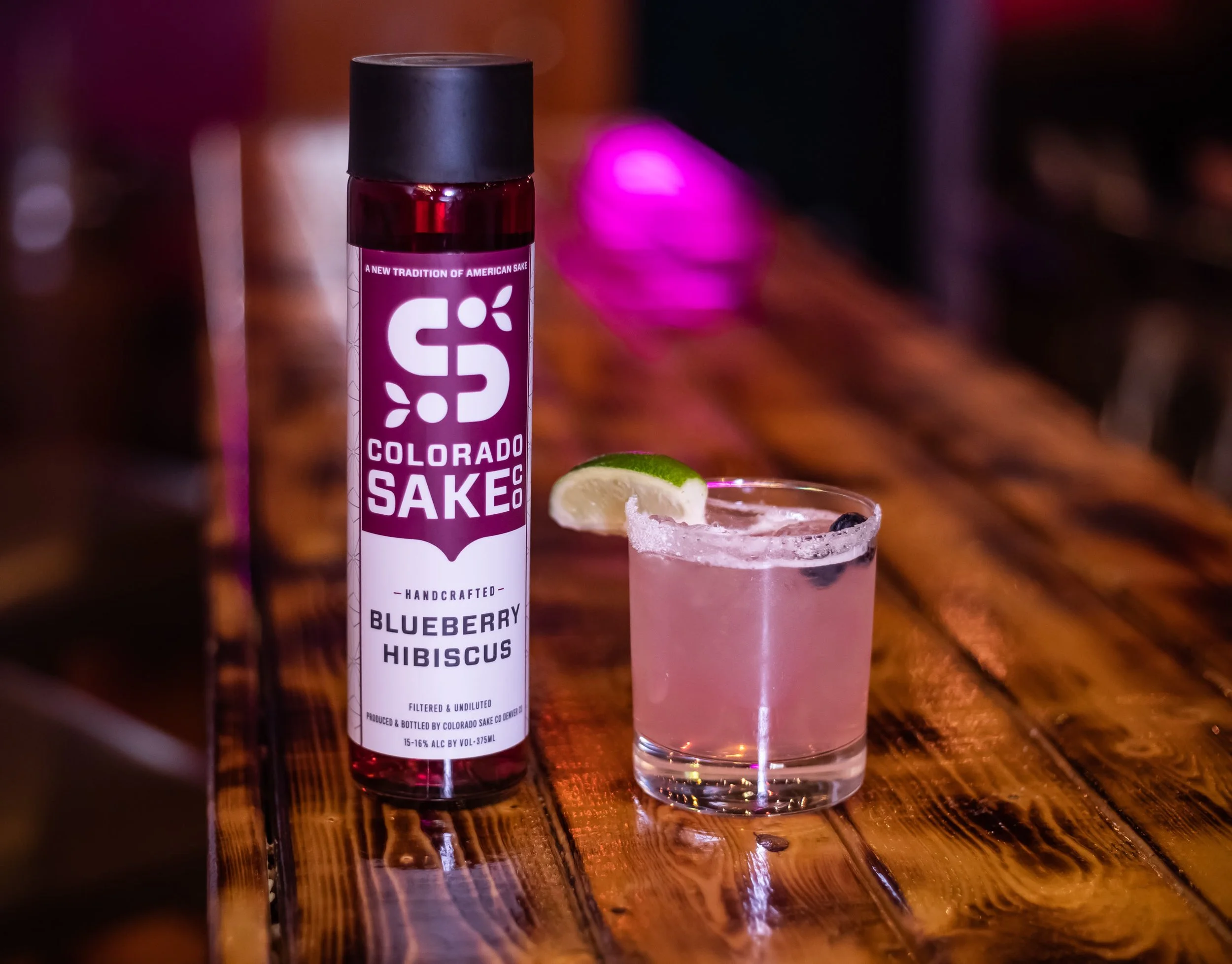
- Western BBQ & smoked brisket → our Blueberry Hibiscus Junmai Ginjo: its bright berry fruit echoes a sweet, smoky barbecue sauce while the sake's clean acidity cuts through fat and smoke, keeping pace with brisket's richness.
- Street tacos (al pastor, carnitas) → our Lychee Nigori, or a Lime Sake Seltzer for something lighter: the off-dry tropical fruit and gentle effervescence brighten lime, chile, and rich pork and refresh the palate between bites.
The throughline is the same umami logic from the table above, we're just applying it to the plates Denver actually orders. Lower acidity handles the moderate tang of vinegar-forward BBQ sauce or a squeeze of lime without clashing (only a dish truly drowning in sharp acid calls for a sturdier pour), while the savory koji depth meets smoke and roasted chile head-on. It's the kind of pairing you only discover by living where we brew, as Colorado's only sake brewery has for years.
For the why-behind-the-flavor, the Japan Sake and Shochu Makers Association is a solid authority on sake fundamentals and traditional pairing principles. In the U.S., sake is regulated as a wine, and the Alcohol and Tobacco Tax and Trade Bureau (TTB) sets the production and labeling standards every American brewery follows.
Frequently Asked Questions
What food goes best with sake?
Is sake better than wine for food pairing?
What should you not pair with sake?
Does sake go with non-Japanese food?
Should sake be warm or cold for food pairing?
Find your pairing in person
Colorado Sake Co. brews fresh, small-batch sake in Denver's RiNo Art District. Visit the taproom for a guided flight, or order sake online to pair at home.
Colorado Sake Co. serves guests 21+. Please enjoy sake responsibly.
Keep exploring
Run into a word you did not know? Our Sake Field Guide is a plain-language glossary of the terms on every bottle, from junmai and ginjo to koji, nigori, genshu, and seimaibuai, written by the brewers who use them.