If you've ever wondered what does sake taste like, the simplest answer is that it's a remarkably smooth and clean beverage that can run dry or subtly sweet, often presenting delicate fruit or savory umami notes, with lower acidity than wine and little bitterness, a profile distinctly different from wine or spirits due to its unique brewing process. At Colorado Sake Co., we craft our sake to highlight these characteristics, offering a fresh, vibrant expression of this ancient drink right here in Denver.
Sake is a brewed beverage, much like beer, made from rice, water, koji mold (Aspergillus oryzae), and yeast. This process, called multiple parallel fermentation, unlocks a spectrum of flavors that can range from bright and fruity to earthy and robust. Understanding these elements is key to appreciating its diverse taste.
Quick answer: Sake ranges from dry to sweet and from delicate to savory. It is usually smooth and clean, with lower acidity than wine and little bitterness, often showing fruit notes like melon or apple over a savory umami background. Its flavor profile is distinct from wine or spirits due to its unique brewing process from rice, water, koji, and yeast, with nuances varying by grade and serving temperature.
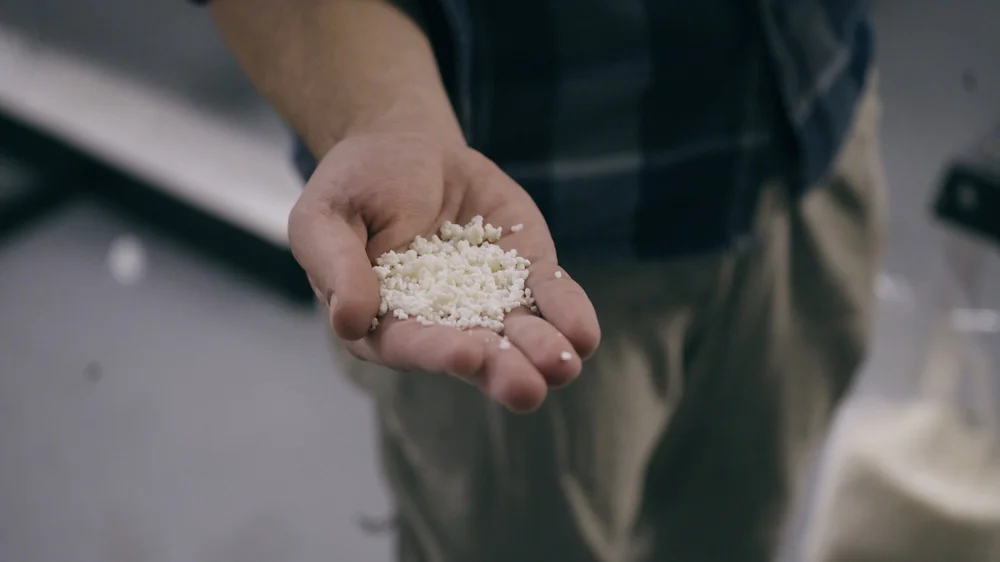
Finished koji in a brewer’s hand at Colorado Sake Co., steamed rice cultivated with kōji-kin until each grain is coated in mold. What koji actually is →
Sake is brewed like beer from rice, water, koji, and yeast, not made like wine.
Premium sakes like Junmai Ginjo (CSC's standard) often have delicate fruit and umami notes.
Serving temperature significantly changes sake's flavor profile, with most premium sakes best cold.
Colorado Sake Co. is the first and only licensed sake brewery in Colorado, blending ancient methods with craft-brewery energy.
What Does Sake Taste Like? The Foundation of Flavor
The flavor of sake is built on a few core components: the rice, the water, the koji, and the yeast, all carefully managed during a meticulous brewing process. Unlike wine, which gets its character from grapes, sake's flavor comes from converting rice starch into sugar, and then that sugar into alcohol. This is where koji mold plays its crucial role.
At Colorado Sake Co., we start with American-grown rice, typically Jupiter or Titan from Isbell Farms in England, Arkansas, which we polish down to a 60% seimaibuai, meaning 40% of each grain is removed. This high polishing ratio is characteristic of a Junmai Ginjo grade sake, which is the standard for nearly everything we brew. For special batches, we might use the renowned Yamada Nishiki rice, known for its exceptional sake-brewing qualities.
Our brewing water is another key factor. We run Denver tap water through a reverse-osmosis system to strip it back to near-zero. Then, we carefully add salts back in to match the mineral balance of Miyamizu, the famous brewing water from Japan's Nada region. Miyamizu is hard water, and that surprises people. What makes it famous is not the hardness itself but the mineral profile: rich in potassium and phosphorus, which feed a healthy ferment, and almost free of iron, which would dull the color and flavor. Rebuilding the water from near-zero is the only way to hit that profile exactly.
The moromi, or main mash, undergoes a cold fermentation process that lasts roughly 24-35 days. We start near 6C (43F), slowly climb to a peak of 9.5-10.5C (49-51F), and then ease it back to about 5C (41F) before pressing. This extended, cool fermentation allows for the slow development of complex aromatics and a smooth texture, contributing significantly to what sake tastes like in its final form. You can learn more about the intricate process in our complete guide to what sake is.
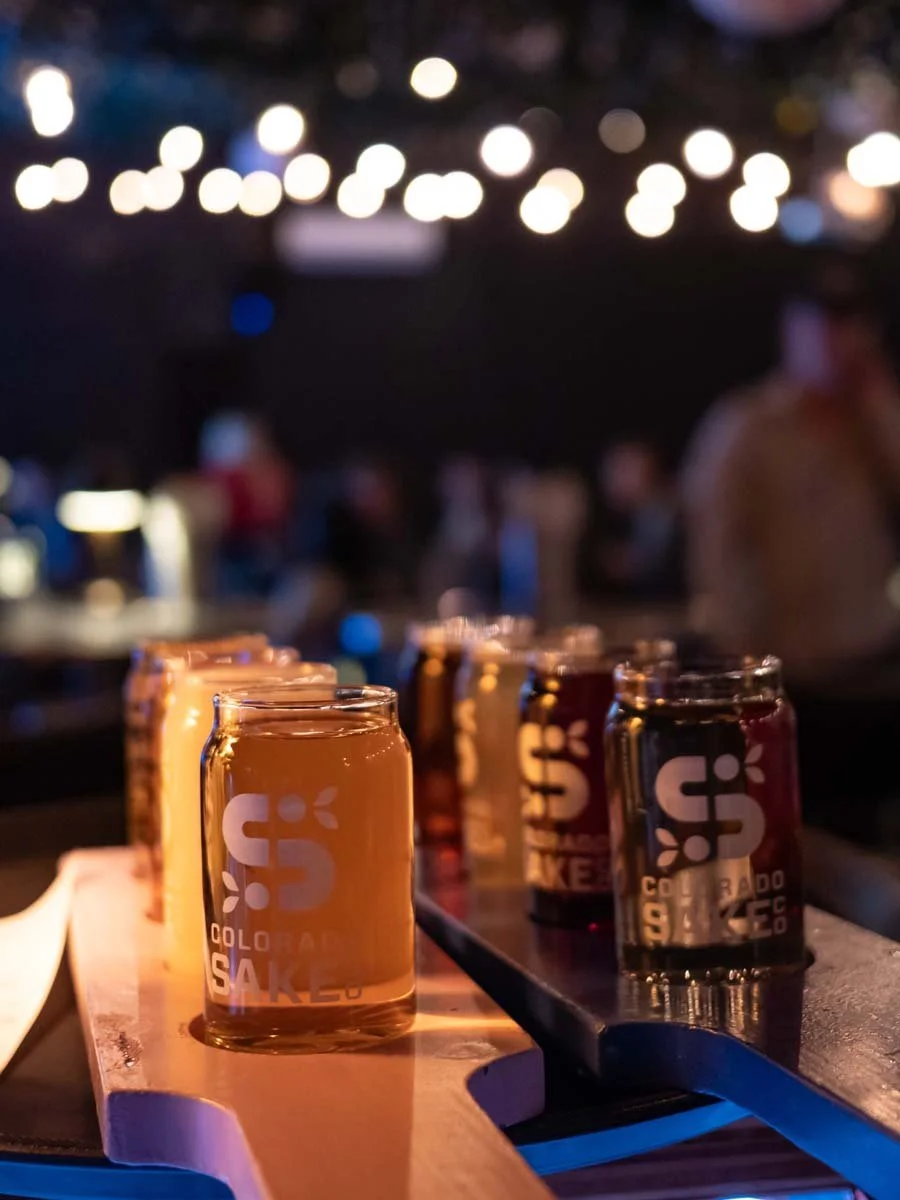
A flight of sake at the Colorado Sake Co. taproom in Denver’s RiNo Art District. See the menu →
Exploring the Nuances: Grades, Styles, and Colorado Sake Co. Pours
The world of sake offers a wide array of styles, each with distinct characteristics. While some sakes can be dry and crisp, others might be rich and sweet. Many premium sakes, like our Junmai Ginjo, often exhibit delicate fruit notes such as melon, apple, or pear, along with a subtle umami depth that is savory and satisfying.
Our flagship American Standard Junmai Ginjo, for example, offers a clean, slightly sweet melon character with gentle acidity. It's an excellent introduction to what sake tastes like when crafted with precision and care.
Then there are nigori sakes, which are coarsely filtered, so fine rice particles stay in the liquid. This gives them a cloudy appearance and a creamier body. Our Horchata Nigori, for instance, delivers a creamy body with gentle cinnamon-and-vanilla sweetness, while our Lychee Nigori offers an off-dry tropical fruit experience. These are perfect for those curious about a richer, more textural sake experience.
Beyond the traditional, we also embrace innovation. Our Blueberry Hibiscus flavored Junmai Ginjo brings bright berry fruit notes to the forefront. We even craft a refreshing Lime Sake Seltzer, which is light and gently effervescent, showcasing the versatility of sake as a base for modern beverages.
A tasting flight at Colorado Sake Co., the easiest way to find the style you like. See the menu →
Find your favorite flavor
Compare eight Colorado Sake Co. options—from full-size sake bottles to crisp sake seltzers—in one sampler.
One of the most common questions about sake is how to serve it. The serving temperature significantly influences what sake tastes like. While traditionally some sake was served warm, most premium sakes today, especially Junmai Ginjo, are best enjoyed chilled.
We recommend serving most of our sake cold, at 38-42F (3-6C). At this temperature, the delicate aromas and crisp flavors truly shine, allowing the subtle fruit and floral notes to come through clearly. This is how you'll experience our flights in our taproom in RiNo.
However, a robust sake can also be wonderfully expressive when gently warmed. In winter, or any time a guest wants hot sake, we gently warm a sturdy pour to 120-140F (49-60C). Warming sake can bring out earthier, nuttier, or more savory characteristics, softening its texture and making it incredibly comforting. So, if you're wondering what hot sake tastes like, imagine a more mellow, often richer, and less aromatic experience compared to a chilled pour.
Sake in the Colorado Landscape: A Local's Perspective
Colorado Sake Co. is the first and only licensed sake brewery in Colorado. We have been brewing since 2016 and pouring in our RiNo taproom since 2018.
The best way to learn what sake tastes like is to taste it fresh, next to the tank it came out of. Sake is at its most expressive young, and most of what reaches a shelf has travelled a long way to get there. That is the one advantage of drinking it where it is brewed.
Our goal is to demystify sake and make it approachable for everyone, whether you are a seasoned craft beer drinker or brand new to sake. We believe that what sake tastes like is best discovered through exploration and an open mind.
Pairing Sake with Colorado Flavors
One of the most exciting aspects of sake is its incredible versatility with food. Its gentler acidity and restrained bitterness make it a fantastic companion to a wide range of cuisines, often pairing better than wine with dishes that have complex umami profiles or a touch of spice. Forget the old rule that sake only goes with sushi; we're here to break down those barriers with our Colorado-inspired pairings.
For a taste of local tradition, our creamy Horchata Nigori is an unexpected but perfect match for Colorado green chile, whether it's pork or veggie style. The sweetness and spice create a delightful harmony. If you're grilling up a Denver steak or any other grilled red meat, our clean and balanced American Standard Junmai Ginjo cuts through the richness beautifully, enhancing the savory notes without overpowering them.
When it comes to Western BBQ and smoked brisket, our Blueberry Hibiscus Junmai Ginjo with its bright berry fruit character offers a surprising counterpoint, refreshing the palate between smoky bites. And for the city's beloved street tacos, whether al pastor or carnitas, our Lychee Nigori with its off-dry tropical fruit notes is a fantastic choice, or for something lighter, a crisp Lime Sake Seltzer. These pairings showcase that what sake tastes like can be perfectly integrated into our local food culture.
Experience What Sake Tastes Like in RiNo
The best way to truly understand what sake tastes like is to experience it firsthand. Our taproom in the RiNo Art District is a welcoming space where you can explore our full range of fresh, unpasteurized sake, sake cocktails, and sake seltzers. Our knowledgeable team loves to guide guests through tastings, explaining the nuances of each pour and helping you find your new favorite.
We invite you to stop by and discover the craft, the passion, and the unique flavors that make Colorado Sake Co. a vibrant part of Denver's drinking culture. Check out our current taproom menu or browse our online sake store to bring a taste of Colorado sake home.
By William Stuart, Founder & Head Brewer
Frequently Asked Questions
What does sake taste similar to?
Sake has a unique flavor profile that doesn't directly compare to other common alcoholic beverages. It shares some aromatic qualities with white wines, especially those with fruity notes, but usually carries lower acidity and a different balance of bitterness and umami. Its savory umami character is distinct, and it's brewed more like a beer than a wine or spirit.
Is sake sweet or bitter?
Sake is generally not bitter, especially premium grades. Its sweetness level varies greatly, ranging from very dry (karakuchi) to noticeably sweet (amakuchi). Many sakes strike a balance, offering a subtle sweetness that is complemented by a clean finish and often a savory umami depth.
Do you sip or take shots of sake?
Sake is traditionally meant to be sipped and savored, much like wine or fine spirits. Taking shots can diminish the appreciation of its complex aromas and delicate flavors. Enjoying it slowly allows you to experience its full character, especially when paired with food.
Does sake get you very drunk?
Sake typically has an alcohol by volume (ABV) content ranging from 15-18%, similar to many wines but higher than most beers. Like any alcoholic beverage, it can lead to intoxication if consumed in excess. Drinking responsibly and knowing your limits is key to enjoying sake without becoming overly drunk.
What liquor is closest to sake?
Sake is not a liquor; it's a brewed beverage, similar to beer. It's often mistakenly called 'rice wine,' but its production process is fundamentally different from wine and distilled spirits. There isn't a direct liquor equivalent, as sake's unique brewing method and resulting flavor profile stand apart.
A month inside American Standard
This timeline follows one real Colorado Sake Co. American Standard production log: the moromi, or main fermenting mash. Watch the tank held cold for weeks (red) while the alcohol climbs from near zero to ~14% (blue). Drag the reading or press play to follow the recorded measurements.
Temperature (°C, left) Alcohol, ABV (%, right)
Reading 1 / 14
-day 0-
Temp-
Alcohol-
SMV-
pH-
-
How to read this
Cold and slow is the point. The tank is built up in staged additions of rice, koji, and water (sandan-shikomi), then held in the single digits Celsius for three to four weeks. Low-temperature fermentation is a defining part of ginjo-zukuri and supports its characteristic fruity aroma.
SMV (sake meter value) is a density-based index, not a direct sugar reading. It generally rises as extract declines and alcohol accumulates, though acidity also affects how sweet or dry the finished sake tastes. Watch SMV rise as the blue alcohol line climbs.
What this chart covers. These readings cover American Standard moromi only. They do not establish that every Colorado Sake Co. product follows this exact base or process.
Full lab log: American Standard · Feb 2026 (Colorado Sake Co.)
Date
Reading
Temp °C
pH
SMV
ABV
Note
Full lab log: American Standard · Mar 2026, pressed (Colorado Sake Co.)
Date
Reading
Temp °C
pH
SMV
ABV
Note
Full lab log: American Standard · May 2026, tank M3 (Colorado Sake Co.)
Date
Reading
Temp °C
pH
SMV
ABV
Note
Source: Colorado Sake Co. 2026 lab & fermentation log: temperature, pH, titratable acidity, amino acids, SMV (sake meter value), Brix, and ABV measured on an Anton Paar density meter. These are three real, completed 2026 American Standard batches, the base sake every Colorado Sake Co. release starts from. Values are transcribed from the log (exact nutrient/enzyme dosages generalized). A few days went unsampled; on the curve those points show as a dashed line with hollow markers tagged est., interpolated between the readings on either side, and left blank in the data table below. Every fermentation varies a little, that variation is the craft.
· More from our Sake Insights →
Keep exploring
Run into a word you did not know? Our Sake Field Guide is a plain-language glossary of the terms on every bottle, from junmai and ginjo to koji, nigori, genshu, and seimaibuai, written by the brewers who use them.
From intimate dinners to full venue buyouts — corporate gatherings, celebrations & parties of every size. Hands-on sushi-rolling classes, guided sake tastings, and our on-site comedy lounge, all tailored to your vision and your budget.Private dinners, parties, and full buyouts—with sushi, sake tastings, and comedy.