
Cooking With Sake: How to Use It in the Kitchen
Imagine a dish that sings with a subtle, savory depth, a tender texture, and a clean finish. Often, the secret ingredient is sake. Yes, cooking with sake can elevate your culinary creations, adding a unique umami boost from its amino acids, tenderizing meats, and neutralizing unwanted odors, much like a chef's secret weapon. From our taproom in Denver's RiNo Art District, where we brew fresh, unpasteurized sake, we see sake's potential not just in a glass but also in the kitchen.
Sake, often misunderstood as "rice wine," is actually a brewed beverage, much closer in production to beer than to wine. It's made from rice, water, yeast, and koji mold, a fascinating fungus (Aspergillus oryzae) that converts starches into fermentable sugars. This complex brewing process results in a versatile liquid that brings a distinct character to your cooking, whether you're crafting an elaborate Japanese feast or simply looking to add a new dimension to your weeknight meals.
Quick answer: Cooking with sake significantly enhances dishes by adding a natural umami boost from its amino acids, tenderizing meats, and effectively neutralizing unwanted odors. It's a versatile ingredient that elevates marinades, sauces, and braises, contributing a unique depth of flavor and a cleaner finish to your culinary creations.
On this page
Key Takeaways
- Sake adds umami (savory depth) to dishes due to naturally occurring amino acids from its koji-driven fermentation.
- The alcohol in sake tenderizes meats and fish while helping to eliminate strong odors.
- Regular drinking sake, especially a Junmai Ginjo, is generally superior for cooking compared to salted 'cooking sake' (ryorishu).
- Colorado Sake Co. brews fresh, unpasteurized Junmai Ginjo sake in Denver's RiNo Art District, perfect for both drinking and cooking with local ingredients.

What Makes Sake a Kitchen Superstar?
Sake isn't just for sipping; its unique properties make it an invaluable ingredient in the kitchen. Understanding these characteristics helps you unlock its full potential, from a simple marinade to a complex sauce.
The Umami Factor: A Natural Flavor Enhancer
At the heart of sake's culinary magic is umami, often described as a savory "fifth taste." This depth comes from the abundance of amino acids, particularly glutamic acid, naturally produced during sake's intricate fermentation process. When you cook with sake, these amino acids don't just add flavor themselves; they also amplify the existing flavors in your ingredients, creating a more harmonious and robust dish.
Unlike wine, which relies on fruit acids, sake's umami is derived from rice and koji, offering a different kind of savory foundation. This makes it particularly effective in balancing and enhancing a wide range of ingredients, from delicate seafood to hearty meats and vegetables. Our brewing process, using American-grown rice and carefully controlled cold fermentation, is designed to bring out these nuanced flavors, making our sake excellent for both drinking and cooking.
Tenderizing and Deodorizing: Beyond Flavor
Sake's alcohol content plays a crucial role beyond just carrying flavor. When used in marinades or cooking liquids, the alcohol helps to break down protein fibers in meats and fish, resulting in a more tender texture. This is especially useful for tougher cuts of meat or for quickly preparing poultry or seafood.
Furthermore, sake is renowned for its ability to neutralize strong odors, particularly in fish and game. The alcohol and other organic compounds in sake bind with and evaporate volatile odor molecules, leaving behind a cleaner, fresher aroma and taste. This makes it an essential ingredient for dishes like miso-marinated cod or any preparation involving seafood, ensuring a pleasant culinary experience.
Drinking Sake vs. Cooking Sake: What Should You Use?
This is a common question we get at the Colorado Sake Co. taproom. Can you just grab any bottle for your kitchen experiments, or is there a special "cooking sake" you need? Let's clear up the confusion.
Can I Cook With Regular Sake? Absolutely, and Often Better
Yes, you absolutely can and often should cook with regular, drinkable sake. In fact, many professional chefs prefer to use the same high-quality sake they would serve for drinking. The nuanced flavors, aromatic qualities, and balanced acidity of a good drinking sake will translate directly into your food, contributing a superior depth and complexity that "cooking sake" often lacks.
For example, our American Standard Junmai Ginjo, with its clean, slightly sweet melon character and gentle acidity, would be fantastic in a marinade for grilled chicken or to deglaze a pan after searing Denver steak. Using a Junmai Ginjo, which means the rice has been polished down to 60% or less of its original size (ours is precisely 60%), ensures a refined flavor profile that truly enhances your dish.
What About "Cooking Sake" (Ryorishu)?
You've likely seen bottles labeled "cooking sake" or ryorishu in Asian markets. The primary difference is that ryorishu often contains added salt and sometimes other flavorings. The salt is typically added to exempt it from liquor taxes in Japan, making it a cheaper option for commercial kitchens.
While ryorishu can be convenient, especially if you're concerned about alcohol content or cost, the added salt means you have less control over the seasoning of your dish. It can also sometimes have a less refined flavor profile compared to a quality drinking sake. For home cooks, we generally recommend using a good, unsalted sake you'd enjoy drinking. This gives you full control over the salt and flavor balance in your recipe.
For more on this topic, Bon Appétit offers some great insights into sake recipes and menu ideas.
Sake vs. Mirin: Understanding the Sweetness
Another common comparison is sake versus mirin. While both are made from rice, they are distinct. Mirin is a sweet, low-alcohol rice seasoning, often described as a sweet sake. It contains significantly more sugar and less alcohol than sake, giving it a syrupy texture and a pronounced sweetness that makes it ideal for glazes, marinades, and simmering sauces where sweetness is desired.
Sake, on the other hand, is much drier and higher in alcohol. It brings umami, acidity, and a broader range of subtle flavors without the overt sweetness of mirin. Think of mirin as a flavor enhancer for sweetness and gloss, while sake is a flavor enhancer for umami, tenderness, and aroma. Many Japanese recipes, especially those for marinades and sauces, will call for both sake and mirin in combination, leveraging the unique strengths of each. You can learn more about the differences from Takara Sake.
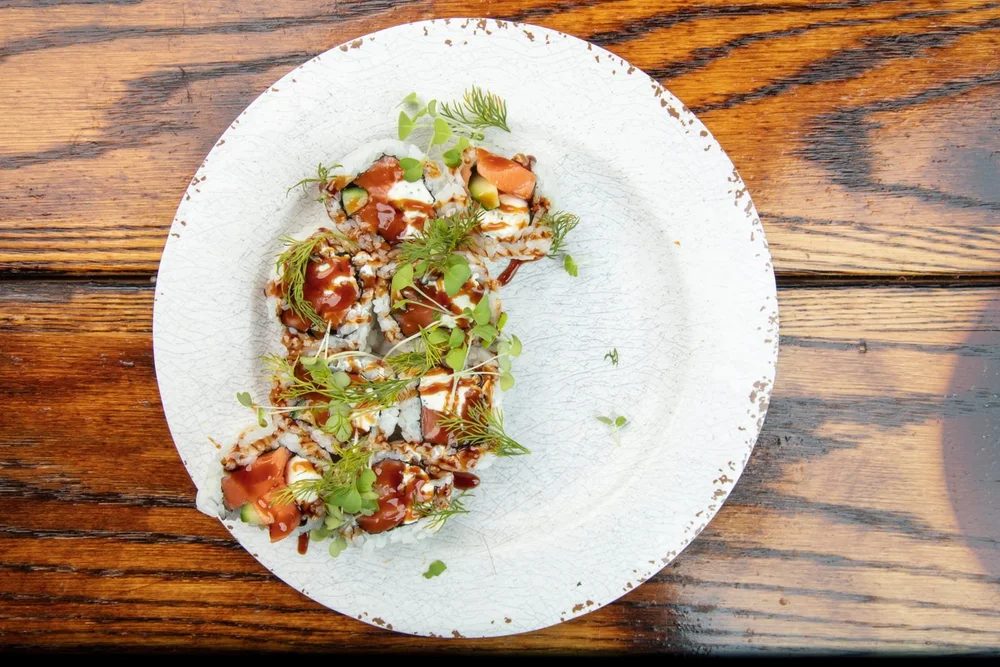
How to Use Sake in Your Cooking: Practical Applications
Ready to try cooking with sake? Its versatility means it can be incorporated into a wide array of dishes, from quick weeknight meals to more elaborate culinary projects. Here are some of our favorite ways to use it in the kitchen.
Marinades for Meats and Fish
Sake is a fantastic base for marinades. Its alcohol content helps tenderize proteins, while its umami compounds infuse flavor deep into the ingredients. For grilled chicken, pork, or fish, combine sake with soy sauce, ginger, garlic, and a touch of mirin or honey. Let your protein soak for at least 30 minutes, or longer for tougher cuts. Our American Standard Junmai Ginjo, with its clean profile, is perfect for this, especially when preparing a Denver steak for the grill.
Deglazing and Building Sauces
After searing meats or vegetables, a flavorful fond often remains at the bottom of the pan. Deglazing with sake is an excellent way to capture these browned bits, transforming them into a rich, savory sauce. The alcohol evaporates quickly, leaving behind concentrated flavor. Use it in stir-fries, pan sauces for fish, or even in gravies for a subtle lift. Try deglazing with our Blueberry Hibiscus sake for a surprising fruity tang in a pan sauce for duck or pork.
Soups, Broths, and Noodle Dishes
A splash of sake can significantly deepen the flavor of soups and broths. It's a staple in traditional Japanese cooking, adding complexity to miso soup, ramen broths, and dashi. For a simple upgrade to your homemade chicken or vegetable broth, add a quarter cup of sake during the simmering process. The umami will shine through, making your soups more satisfying.
Stir-fries and Braises
In stir-fries, sake can be added with other liquids like soy sauce and broth to create a flavorful coating for your ingredients. It helps to distribute flavors evenly and keeps everything moist. For braised dishes, whether it's short ribs or a hearty vegetable stew, sake contributes a subtle richness and helps tenderize the ingredients over a longer cooking time.
Here at Colorado Sake Co., we love to experiment with pairings. Our creamy Horchata Nigori, with its gentle cinnamon and vanilla sweetness, is an unexpected but incredible match for a hearty bowl of Colorado green chile (pork or veggie). The sweetness beautifully cuts through the spice and richness. For street tacos, especially al pastor or carnitas, our bright Lychee Nigori, or a refreshing Lime Sake Seltzer, makes for a perfect companion, balancing the savory, spicy, and tangy flavors.
Where to Find Sake for Cooking in Colorado
Living in Denver, we're lucky to have a vibrant food and drink scene, and finding sake for your kitchen is easier than you might think.
Local Liquor Stores and Specialty Shops
Many well-stocked liquor stores across the Front Range carry a good selection of sake. Many Denver bottle shops and larger beverage chains have dedicated sake sections. Look for Junmai grade sakes, as these are pure rice sakes without added distilled alcohol, offering a cleaner profile that's ideal for cooking. Don't be afraid to ask staff for recommendations; many are becoming quite knowledgeable about sake.
Asian Markets
For a broader selection, especially of cooking sake (ryorishu) if that's your preference, visit local Asian markets. The Asian markets around Broomfield, Aurora, and Westminster are excellent resources for Japanese ingredients, including a variety of sakes. You might also find more specific grades or regional sakes here that are harder to come by elsewhere.
Straight from the Source: Colorado Sake Co.
Of course, you can always visit us, Colorado Sake Co., the first and only licensed sake brewery in Colorado. Located right here in the RiNo Art District, we brew fresh, unpasteurized Junmai Ginjo sake. Our American Standard, Blueberry Hibiscus, and even our Nigori sakes are all fantastic for cooking, bringing a local, craft touch to your dishes. You can pick up bottles directly from our taproom or find them in select local retailers. Buying directly ensures you're getting the freshest possible product, perfect for both drinking and elevating your cuisine. And if a bottle outlasts the recipe, here's how to keep opened sake fresh.
Pairing Colorado Flavors with Sake
As proud Denver locals, we believe sake pairs beautifully with the diverse and robust flavors of Colorado. Our brewing philosophy at Colorado Sake Co. is to bridge the ancient craft of sake with the innovative spirit of American craft brewing, using high-quality American-grown rice, like Jupiter or Titan from Isbell Farms in England, Arkansas, and crafting our brewing water to match the famous Miyamizu of Japan's Nada region. This approach results in a sake that is both authentic in its craft and distinctly Coloradan.
Think about the rich, smoky notes of Western BBQ and smoked brisket. Our Blueberry Hibiscus sake, with its bright berry fruit, cuts through the richness and adds a refreshing counterpoint. For classic grilled red meats, like a perfectly seared Denver steak, the clean, slightly sweet melon character of our American Standard provides a wonderful balance, enhancing the savory notes without overpowering them. These pairings highlight how sake can complement, rather than compete with, the bold flavors we love in Colorado's food scene, from the bustling restaurants in RiNo to the farm-to-table eateries across the Front Range.
Beyond our taproom, you'll find sake served and used in kitchens across Denver. Denver's izakayas often feature sake on their menus, demonstrating its versatility with small plates and larger entrees. Even non-Japanese restaurants are increasingly recognizing sake's potential to add umami and depth to their dishes, a testament to its growing presence in the American culinary landscape.
So next time you're planning a meal, consider reaching for a bottle of sake. Whether it's to tenderize, deodorize, or simply add a layer of complex umami, this versatile brewed beverage is a secret weapon that deserves a place in every Colorado kitchen. Explore the possibilities and discover how cooking with sake can transform your favorite recipes. New to sake overall? Our sake field guide covers the essentials.
Ready to try cooking with sake, or simply enjoy a fresh pour? Come visit us at the Colorado Sake Co. taproom in RiNo, Denver. We'd love to share our passion for sake and help you find the perfect bottle for your next culinary adventure. You can also browse our selection and order sake online for convenient pickup or delivery.
Frequently Asked Questions
Can sake be used in cooking?
Can sake replace white wine in cooking?
Can I cook with regular sake?
What is the difference between sake and mirin?
Where can I buy sake for cooking in Colorado?
Come taste it for yourself
Colorado Sake Co. pours fresh, small-batch sake in the RiNo Art District. Visit the taproom or order sake online.