
How to Store Sake: A Brewery's Guide to Keeping It Fresh
Is there anything more disappointing than cracking open a bottle of something you've been looking forward to, only to find it's lost its spark? This is especially true for sake, a delicate brew that demands respect in its handling. Understanding how to store sake properly is crucial for preserving its nuanced flavors and aromas, ensuring every pour is as intended by the brewer. Unopened sake, particularly premium unpasteurized (nama) or highly polished grades like Junmai Ginjo, should always be kept refrigerated below 50°F (10°C) and upright to minimize air exposure, while opened bottles require tight resealing and immediate refrigeration, ideally consumed within one to two weeks.
On this page
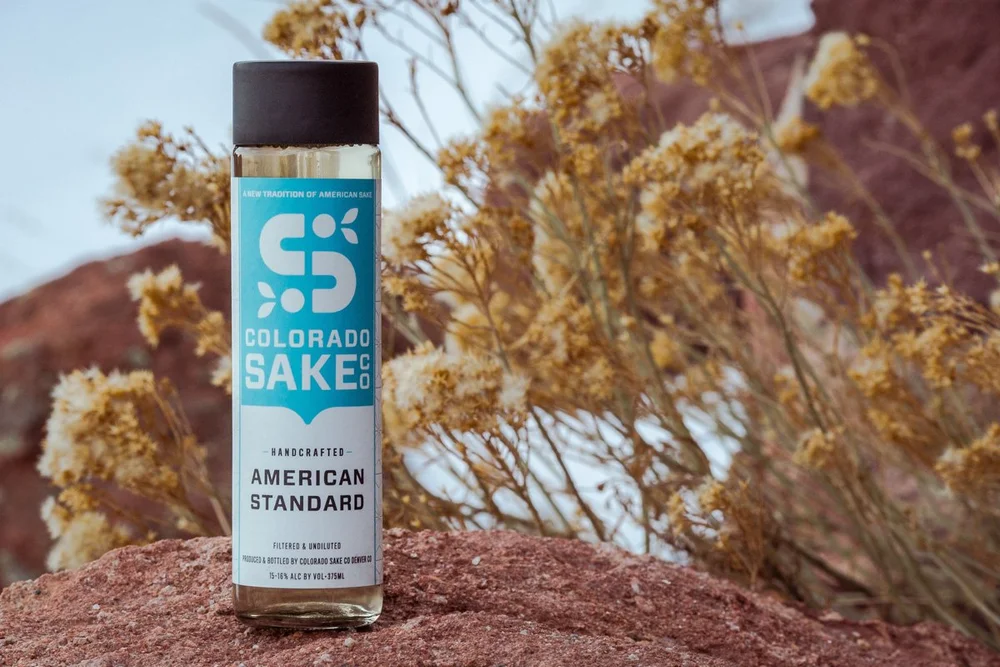
Why Proper Sake Storage Matters
How to Store Unopened Sake: The Gold Standards
Temperature is Key: Keep it Cool
Temperature is arguably the most critical factor in preserving sake. Heat accelerates chemical reactions that can cause sake to oxidize and lose its freshness. This is especially true for unpasteurized sake, known as nama sake, which should always be treated like fresh milk and kept cold. For most sake, especially premium grades like Junmai Ginjo and Junmai Daiginjo, refrigeration is highly recommended. Aim for temperatures below 50°F (10°C). Our own Junmai Ginjo at Colorado Sake Co., for example, is brewed with a meticulous cold fermentation process, starting near 6C (43F) and peaking around 9.5-10.5C (49-51F), taking 24-35 days. This dedication to cold during brewing means we also recommend keeping it cold once bottled. If you don't have fridge space, a cool, dark pantry or wine cellar can work for pasteurized sake, but it's a compromise. You can learn more about the different grades and what makes them special in our Types Of Sake Explained guide.Away From the Light: Dark and Protected
Just like beer, sake is sensitive to light, particularly ultraviolet (UV) light. Exposure can lead to a "sun-struck" flavor, often described as skunky or burnt. This is why many sake bottles are made from dark glass or come in protective boxes. Always store your sake in a dark place, away from direct sunlight or fluorescent lights. If you're picking up a bottle from a local spot like Molly's Spirits, try to choose one that hasn't been sitting under harsh lights for too long. If your fridge has a clear door, consider placing the sake bottle in its original box or wrapping it in a towel.Standing Tall: Vertical Storage
Unlike wine, which is often stored on its side to keep the cork moist, sake bottles should generally be stored upright. Most sake bottles use screw caps or synthetic closures that don't require contact with the liquid to maintain their seal. Storing sake upright minimizes the surface area of the liquid exposed to any residual air in the bottle, thus slowing down oxidation. It also prevents the sake from potentially absorbing any off-flavors from the closure material over time. For more detailed guidance on proper storage, authoritative sources like the Japan Sake and Shochu Makers Association offer comprehensive advice on how to store and preserve sake effectively.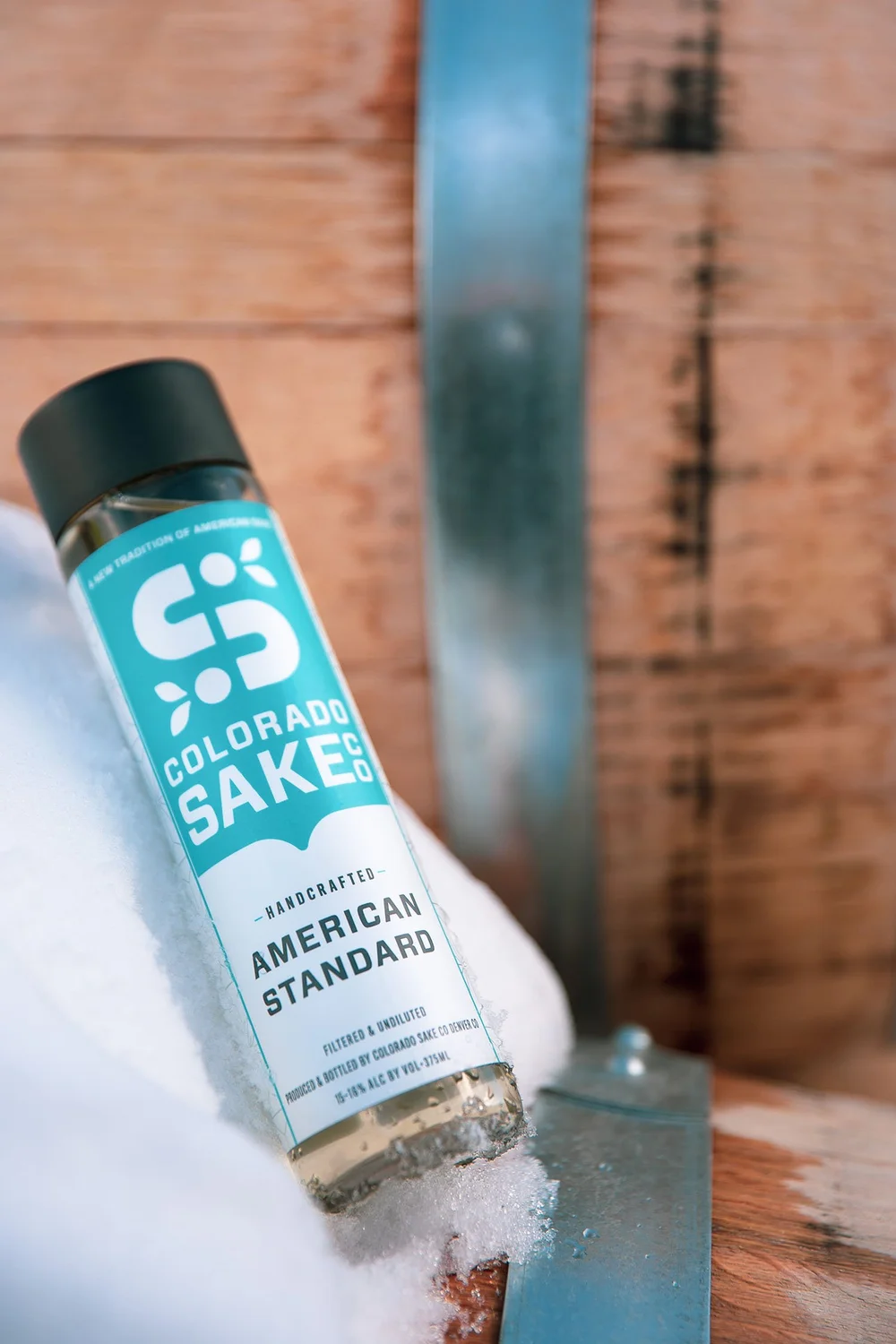
How to Store Sake Once Opened: Extending Its Life
Seal It Tight: Minimizing Oxygen Exposure
After pouring your first glass, immediately reseal the bottle as tightly as possible. The original cap is usually sufficient, but a wine stopper or vacuum pump can offer an extra layer of protection by removing some of the air from the bottle. The less oxygen that can interact with the sake, the slower the oxidation process will be.Back to the Fridge: The Opened Bottle's Best Friend
Once opened, sake absolutely needs to be refrigerated. Even pasteurized sake, which is more stable than nama, will degrade quickly at room temperature once exposed to air. Storing it in the fridge slows down the chemical reactions that cause it to lose its freshness and develop off-flavors. While there's no hard and fast rule for how long sake lasts once opened, most brewers and sake professionals recommend consuming it within one to two weeks for the best flavor. After this, the sake won't necessarily be "bad" or unsafe to drink, but its vibrant aromas and delicate taste profile will likely have faded considerably. You might still enjoy it in a sake cocktail or use it for cooking with sake, but it won't be the same experience. For insight into our own recommendations, check out our guide on How To Drink Sake Temperature Etiquette Cups.Special Cases: Nigori, Nama, and Aged Sake
Nigori Sake
Nigori sake is unfiltered, meaning it contains fine rice particles that give it a cloudy appearance and often a creamy texture. These particles can settle at the bottom of the bottle over time. Before serving, gently invert the bottle a few times to redistribute the sediment. Always store nigori sake in the refrigerator, both before and after opening, to maintain its freshness and prevent the solids from clumping too much. Our Horchata Nigori and Lychee Nigori are perfect examples of this style, offering creamy body and vibrant flavors that shine when kept cold.Nama Sake (Unpasteurized)
Nama sake is unpasteurized, meaning it has not undergone the heat treatment that stabilizes most other sake. This makes it incredibly fresh, vibrant, and expressive, but also highly perishable. Nama sake must be kept refrigerated at all times, from the brewery to your glass. Its shelf life, even unopened, is shorter than pasteurized sake, and once opened, it should be consumed even more quickly, ideally within a few days to a week.Aged Sake (Koshu)
While most sake is best enjoyed fresh, a small category known as koshu, or aged sake, is intentionally matured. Koshu is stored for years, sometimes decades, under specific, controlled conditions to develop complex, savory, and often amber-hued characteristics. This is a highly specialized process, and it's generally not something to attempt at home with standard sake. If you encounter a bottle of koshu, follow the specific storage recommendations from the producer, as they can vary greatly depending on the style and age.Beyond the Bottle: Serving and Enjoying Your Sake in Denver
Quick answer: To store sake effectively, keep unopened bottles in a cool, dark place, ideally refrigerated below 50°F (10°C), standing upright to minimize air exposure. For unpasteurized (nama) or premium grades like Junmai Ginjo and Daiginjo, refrigeration is essential. Once opened, reseal tightly, refrigerate, and consume within one to two weeks for optimal flavor.
Key Takeaways
- Most sake, especially premium and unpasteurized (nama) types, should be refrigerated below 50°F (10°C).
- Sake must be protected from light and stored upright to prevent oxidation and flavor degradation.
- Once opened, reseal sake tightly, refrigerate, and consume within 1-2 weeks for best quality.
- Colorado Sake Co. brews fresh, unpasteurized Junmai Ginjo, emphasizing cold fermentation and proper storage for optimal enjoyment.
Frequently Asked Questions
Is sake supposed to be refrigerated?
Yes, premium sake, especially unpasteurized (nama) and high-grade Junmai Ginjo or Daiginjo, should always be refrigerated. Pasteurized sake can be stored in a cool, dark place, but refrigeration is still highly recommended to best preserve its delicate flavors and aromas.
Is sake good for GERD?
Colorado Sake Co. does not make any medical or dietary-safety claims. Sake is brewed from rice, water, koji, and yeast. Individuals with health concerns like GERD should consult with a medical professional regarding dietary choices.
How do you store sake once opened?
Once opened, sake should be tightly resealed to minimize oxygen exposure and immediately refrigerated. Storing it in the fridge slows down oxidation, preserving its quality. For the best experience, consume opened sake within one to two weeks.
How long will sake last once opened?
Once opened and properly refrigerated, sake is best consumed within one to two weeks. While it may not spoil quickly, its delicate aromas and flavors will begin to diminish significantly after this period, impacting the overall drinking experience.
Should sake be stored in a freezer?
No, sake should not be stored in a freezer. Freezing can cause the water content to expand, potentially damaging the bottle and altering the sake's delicate flavor and texture profile, leading to a diminished drinking experience.
Come taste it for yourself
Colorado Sake Co. pours fresh, small-batch sake in the RiNo Art District. Visit the taproom or order sake online.