
What Is Koji? The Mold Behind Every Bottle of Sake
Ever wondered what gives sake its unique character, or how miso gets its depth? The unsung hero behind these beloved Japanese staples, and indeed every bottle of sake we brew right here in Denver, is a humble yet mighty microorganism: what is koji? Koji is a beneficial mold, specifically Aspergillus oryzae, cultivated on steamed grains like rice, barley, or soybeans. It acts as an enzyme powerhouse, breaking down complex starches into fermentable sugars and proteins into amino acids, which are the fundamental building blocks for sake's fermentation and the rich umami flavors found in many Japanese foods.
Quick answer: Koji is a beneficial mold, specifically Aspergillus oryzae, cultivated on steamed grains like rice, barley, or soybeans. It produces enzymes that break down starches into fermentable sugars and proteins into amino acids. This process is essential for brewing sake and creating the rich umami flavors in foods like miso and soy sauce.
On this page
- Key Takeaways
- What Exactly Is Koji? The Mold That Transforms
- Koji's Essential Role in Sake Brewing
- Beyond Sake: Koji's Wider Reach in Japanese Cuisine
- Exploring Koji's Flavor Profile and Impact
- The Craft of Koji in Colorado
- Enjoying Sake and Koji-Enhanced Flavors in Denver
- Frequently Asked Questions
Key Takeaways
- Koji (Aspergillus oryzae) is a mold that produces enzymes essential for converting rice starch into sugar for sake fermentation.
- Colorado Sake Co. uses koji in a unique multiple parallel fermentation process, brewing Junmai Ginjo sake with American-grown rice.
- Beyond sake, koji is fundamental to making miso, soy sauce, amazake, and shio koji, adding umami and tenderness to food.
- Colorado Sake Co., the only licensed sake brewery in Colorado, brews fresh, unpasteurized sake in Denver's RiNo Art District.
What Exactly Is Koji? The Mold That Transforms
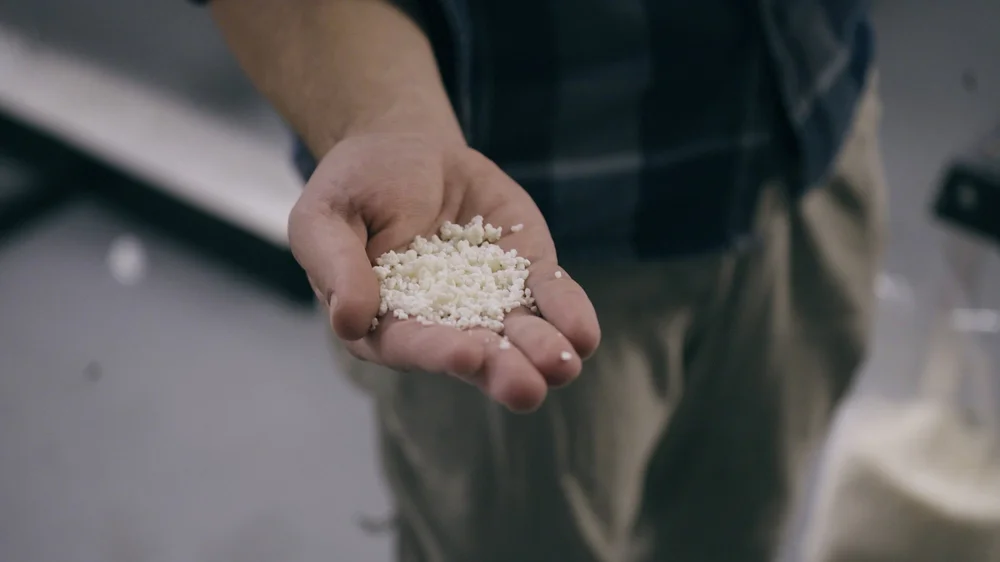
At its heart, koji is a culture, a specific type of filamentous fungus, Aspergillus oryzae, carefully grown on a substrate. For sake, that substrate is always steamed rice. Think of it like the malt in beer brewing, but instead of sprouting barley to create enzymes, we're cultivating a mold to do the heavy lifting. This mold produces a wealth of enzymes, primarily amylase, which converts rice starches into glucose, and proteases, which break down proteins.
So, what is koji made of? It starts as spores, which are then inoculated onto carefully prepared, steamed rice. These spores germinate and spread their mycelia throughout the rice grains under controlled conditions of temperature and humidity. The resulting koji rice, or kome-koji, is a crucial ingredient, not just for sake itself but for a host of traditional Japanese fermented foods. You might have heard of koji-kin, which is another term for the koji mold itself in Japanese.
The Powerhouse of Enzymes
The magic of koji lies in its enzymatic activity. Without these enzymes, the starches in rice would remain inaccessible for yeast to convert into alcohol. Koji's amylase enzymes break down the large, complex starch molecules into smaller, simple sugars like glucose, which yeast can then consume. This is a fundamental step in sake brewing, making koji an absolutely indispensable ingredient. Its protein-breaking enzymes also contribute to the development of savory amino acids, enhancing the depth and complexity of sake's flavor profile, a characteristic often described as umami.
This enzymatic power is why koji is used for so many transformative processes. Beyond sake, it's the foundation for making miso, soy sauce, and mirin, as well as newer culinary applications like shio koji, a versatile seasoning that tenderizes meat and adds savory notes to vegetables. If you're wondering where to buy koji, specialty Asian markets or online retailers often carry dried koji rice or fresh koji starter cultures for home fermentation projects.
Koji's Essential Role in Sake Brewing
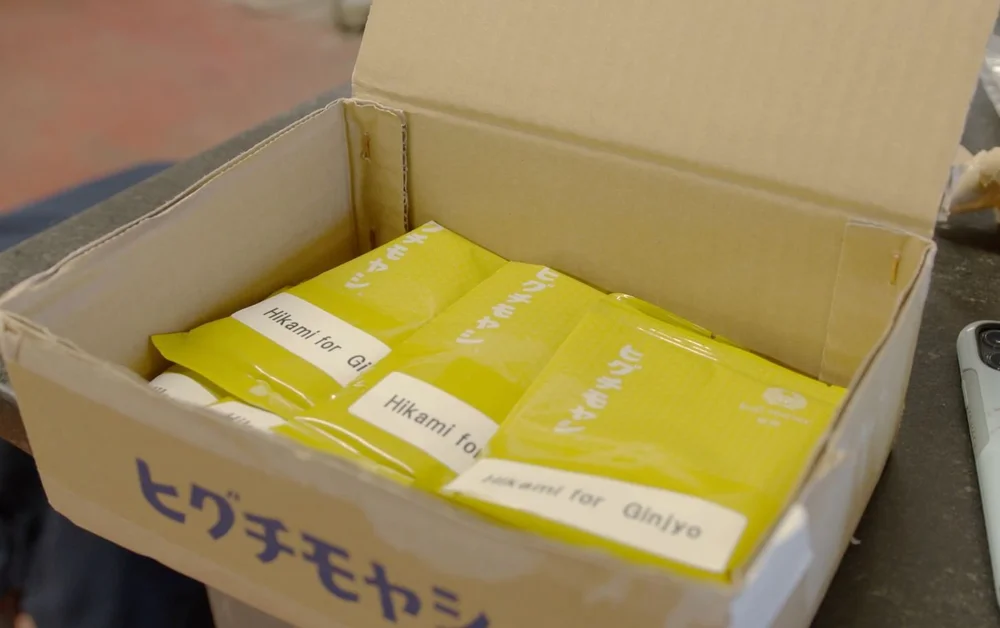
Sake brewing is a delicate dance of precision and patience, and koji leads the first steps. Unlike beer, where malted barley enzymes convert starches into sugars before yeast is introduced, sake employs a unique process called "multiple parallel fermentation." This means the conversion of starch to sugar by koji and the conversion of sugar to alcohol by yeast happen simultaneously in the same tank.
At Colorado Sake Co., we meticulously cultivate our koji to ensure optimal enzyme activity. Our process begins with carefully polished rice. We brew almost exclusively Junmai Ginjo grade sake, which means our rice is polished to a seimaibuai, or polishing ratio, of 60%. This removes the outer layers of the rice grain, leaving behind a pure starch core that is ideal for koji mold to penetrate and work its magic.
Once the koji rice is ready, it's combined with steamed rice, water, and yeast to form the moromi, or main mash. This is where the magic truly unfolds. Our fermentation process is cold and slow, starting near 6C (43F) and gradually climbing to a peak of 9.5-10.5C (49-51F) before easing back to about 5C (41F) in the days before pressing. This extended, roughly 24-35 day fermentation period allows the koji enzymes ample time to systematically break down starches, creating a steady supply of sugar for the yeast, resulting in a complex and nuanced flavor profile.
We're particular about our ingredients, from the American-grown rice, typically Jupiter or Titan from Isbell Farms in England, Arkansas (with Yamada Nishiki for special batches), to the water itself. Denver's water is on the harder side, so we use reverse-osmosis to strip it down and then add salts back in, matching the precise mineral balance of Miyamizu, the famous brewing water of Japan's Nada region. This careful control over every variable, including the koji, is what allows us to produce fresh, unpasteurized sake right here in the RiNo Art District, since 2018.
Beyond Sake: Koji's Wider Reach in Japanese Cuisine
While koji is fundamental to sake, its influence extends throughout Japanese culinary traditions. When people ask "what is koji food?", they're often referring to a range of fermented products that owe their existence and distinctive flavors to this versatile mold.
Consider miso, the savory paste that forms the base of Japan's ubiquitous soup. Miso is made by fermenting soybeans, rice (or barley) koji, salt, and water. The koji enzymes break down the proteins and carbohydrates, creating its characteristic umami depth. Similarly, soy sauce is a product of koji fermentation, where soybeans and wheat are inoculated with koji, then fermented with brine.
Another delicious example is amazake, a sweet, non-alcoholic drink made from rice koji. It's often enjoyed warm and is prized for its natural sweetness and nutritional benefits. Then there's shio koji, a simple mixture of koji, salt, and water, which has become a favorite among chefs and home cooks for its ability to tenderize meats, amplify flavors, and add a subtle sweetness and umami to dishes. It truly unlocks the potential of ingredients, much like it does for rice in sake brewing.
The role of koji isn't just about taste; it's about transformation. As Wikipedia notes, koji has been used for centuries in Japan, demonstrating its long-standing importance in food production and preservation. It's a testament to ancient wisdom and careful cultivation that we still rely on this fascinating mold today.
Exploring Koji's Flavor Profile and Impact
When you taste a sake, a spoonful of miso, or a dish seasoned with shio koji, you're experiencing the direct impact of koji's work. What is the flavor of koji? It's not a singular taste itself, but rather a creator of flavors. Koji's enzymes are responsible for breaking down complex molecules into simpler ones that our taste buds can detect as sweet, savory, and aromatic.
The most celebrated flavor contribution of koji is umami. By breaking down proteins into amino acids, particularly glutamic acid, koji intensifies the savory, brothy, and deeply satisfying notes in food and drink. This is why a good Junmai Ginjo sake often has a nuanced richness that complements food so well. Beyond umami, koji can also contribute to a subtle sweetness and a complex aroma profile, sometimes described as fruity, floral, or even nutty, depending on the specific koji strain and fermentation conditions.
Here in Denver, many of our fantastic Japanese restaurants and izakayas showcase dishes where koji's influence is palpable, from perfectly marinated meats to rich broths. Even some of the city's innovative fine dining spots are exploring koji's potential to add depth and unique textures to their menus, a nod to its growing recognition in the broader culinary world.
The Craft of Koji in Colorado
As the first and only licensed sake brewery in Colorado, we at Colorado Sake Co. embrace the craft of koji with the same passion and precision that defines the American craft brewing scene. We're not a traditional Japanese brewery; we're a Colorado craft producer inspired by time-honored Japanese methods, applying our local ingenuity to an ancient art.
Our commitment to brewing fresh, unpasteurized sake means that the quality of our koji is paramount. We focus on producing Junmai Ginjo sake, a grade known for its refined character and aromatic profile, which is directly influenced by how effectively the koji breaks down the rice starch. Our 60% polishing ratio ensures a clean canvas for the koji to work on, leading to the clean, slightly sweet melon character and gentle acidity of our American Standard, or the bright berry fruit of our Blueberry Hibiscus.
The Front Range has a vibrant craft beverage culture, from craft breweries to distilleries and kombucha producers. We see ourselves as part of this innovative spirit, taking the foundational knowledge of sake brewing and applying it with a Colorado sensibility. Our approach to koji production is no different: it's about understanding the science, respecting the tradition, and then executing it with the highest standards in our RiNo brewery.
For those looking to explore koji-enhanced products or unique sake, local bottle shops often carry a diverse selection, sometimes including specialty items like shio koji or a broader range of imported sake, allowing you to taste the varied expressions of this incredible mold.
Enjoying Sake and Koji-Enhanced Flavors in Denver
The beauty of sake, especially our fresh, unpasteurized brews, is its versatility with food. Koji's contribution to sake's flavor profile makes it an exceptional pairing partner, capable of enhancing a wide array of dishes, particularly those found in Colorado's diverse food scene.
For example, our creamy Horchata Nigori, with its gentle cinnamon and vanilla sweetness, is an unexpected but perfect match for the robust flavors of Colorado green chile, whether pork or veggie. The rich, savory notes of a grilled Denver steak or other red meats find their ideal companion in the clean, balanced profile of our American Standard Junmai Ginjo. If you're tackling some hearty Western BBQ or smoked brisket, the bright berry fruit of our Blueberry Hibiscus offers a delightful contrast.
And for those quintessential Denver street tacos, whether al pastor or carnitas, our tropical Lychee Nigori provides a fantastic off-dry counterpoint. Or, for something lighter and crisper, a Lime Sake Seltzer cuts through the richness beautifully. We generally recommend serving most sake cold, at 38-42F (3-6C), to highlight its delicate aromas and flavors. However, in winter, or for those who prefer it, a gently warmed robust pour to 120-140F (49-60C) can bring out different nuances, making it wonderfully comforting.
Understanding what is koji is more than just knowing a scientific term; it's appreciating the fundamental ingredient that gives sake its soul and defines a significant portion of Japanese culinary heritage. From our brewery in RiNo to your glass, koji is tirelessly at work, transforming simple rice into something extraordinary. For the bigger picture on styles, terms, and brewing, browse our complete sake field guide.
Ready to experience the magic of koji firsthand? We invite you to visit our taproom in the RiNo Art District to enjoy a sake flight, a sake cocktail, or a sake seltzer made with our freshly brewed Junmai Ginjo. You can also explore our selection and have our unique Colorado sake delivered directly to your door through our online sake store. Once it arrives, our guide to keeping sake fresh helps every pour taste its best. Come taste the craft and passion that goes into every pour.
Frequently Asked Questions
What is koji made of?
Is koji good for you?
Is koji the same as miso?
What is the flavor of koji?
Where can I find products made with koji in Denver?
Come taste it for yourself
Colorado Sake Co. pours fresh, small-batch sake in the RiNo Art District. Visit the taproom or order sake online.