
Imagine biting into a perfectly crafted sushi roll, the delicate balance of seasoned rice, fresh fish, and crisp nori melting in your mouth. But have you ever paused to consider the sheer diversity of these culinary marvels? From the elegant simplicity of a traditional hosomaki to the vibrant complexity of a modern uramaki, understanding the various types of sushi rolls can elevate your dining experience and appreciation for this ancient Japanese art form. Sushi rolls fall under makizushi, the rolled-sushi family that includes maki styles like hosomaki and futomaki with nori on the outside, uramaki with rice on the outside (common in Americanized rolls like the California), and temaki hand rolls, each offering a distinct eating experience and ingredient profile.
Here in Denver, where our culinary scene is as dynamic as our mountain views, sushi has firmly established itself as a local favorite. At our RiNo taproom, we brew sake and serve sushi and dim sum, offering a perfect opportunity to explore pairings. Let's unroll the mysteries of sushi, from traditional Japanese styles to the creative interpretations you'll find across the Front Range.
Quick answer: Sushi rolls all fall under makizushi, rolled sushi: maki styles like hosomaki and futomaki have nori on the outside; uramaki, or 'inside-out' rolls, has rice on the exterior (like the California Roll); and temaki is rolled by hand into a cone. Each type offers distinct textures and ingredient combinations, ranging from simple single-filling rolls to complex, multi-component creations often found in American sushi bars.
On this page
Key Takeaways
- Sushi rolls fall under makizushi: maki styles have nori outside, uramaki has rice outside, and temaki is rolled by hand.
- Hosomaki are thin, simple rolls, while futomaki are thick, multi-ingredient rolls, often vegetarian.
- The California Roll is a popular uramaki, known for its mild flavors and absence of raw fish, making it ideal for beginners.
- Colorado Sake Co. offers Sushi 101 classes and a range of local sakes, including Junmai Ginjo, that pair well with various sushi styles.
What are the Main Types of Sushi Rolls?
The world of sushi rolls, or makizushi, is vast, but it generally breaks down into a few core structural categories. These foundational styles dictate how the rice, nori (seaweed), and fillings are assembled, creating distinct aesthetic and textural experiences. Understanding these basics is key to navigating any sushi menu, whether you're at a high-end omakase counter or a casual neighborhood spot.
Maki: The Traditional Wrapped Roll
Maki, meaning "to roll," is rolled sushi, usually formed with a bamboo mat and wrapped in nori, though some versions use another wrapper such as thin omelet. In this style, the nori seaweed is on the outside, enveloping the rice and fillings. This construction provides a firm, clean bite and allows the flavor of the nori to shine.Hosomaki: The Thin, Simple Roll
Hosomaki, or "thin rolls," are the epitome of sushi elegance. These rolls are typically about one inch in diameter, conventionally featuring a single ingredient, encased in rice and nori. Their simplicity highlights the purity of each component. Common hosomaki ingredients include cucumber (kappa maki), tuna (tekka maki), or fermented soybeans (natto maki). They are an excellent choice for beginners due to their straightforward flavors and easy-to-eat size.Chumaki: The Medium Roll
Falling between hosomaki and futomaki in size, chumaki are "medium rolls." They usually contain two to three fillings, offering a slightly more complex flavor profile than hosomaki while still maintaining a manageable bite. Think of them as a gentle step up in variety.Futomaki: The Thick, Hearty Roll
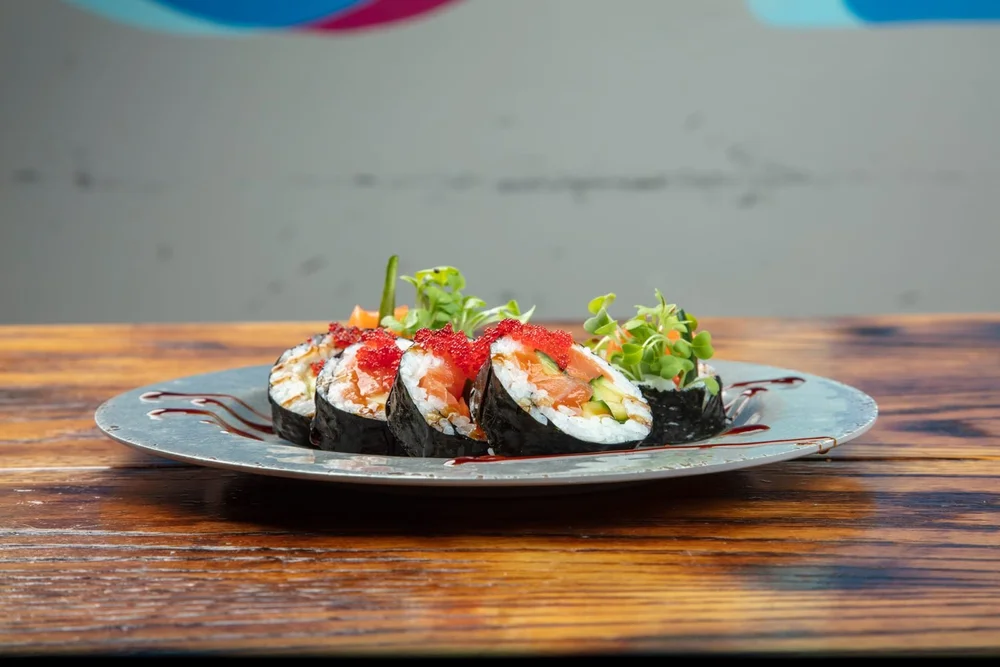
Futomaki, or "fat rolls," are the largest of the maki family, often two to three inches thick. These substantial rolls are packed with multiple ingredients, making them a visually impressive and satisfying meal. You might find combinations of cooked vegetables, tamago (sweet egg omelet), kampyo (gourd strips), and sometimes cooked fish or surimi. Futomaki are often a vegetarian-friendly option among the types of sushi rolls.Uramaki: The Inside-Out Roll
Uramaki, meaning "reverse roll" or "inside-out roll," is where the rice is on the outside, typically sprinkled with sesame seeds, tobiko (flying fish roe), or masago (capelin roe). The nori is on the inside, protecting the fillings. The inside-out style became associated with North American sushi, though competing origin accounts point to Los Angeles and Vancouver, so its birthplace and original motive are not settled.The California Roll: An American Classic
A well-known uramaki is the California Roll. This iconic creation typically features imitation crab (surimi), avocado, and cucumber, with rice on the outside. It's often garnished with sesame seeds or masago. The California Roll is a common beginner-friendly option because it typically contains cooked crab or imitation crab, avocado, and cucumber rather than raw fish. Its creamy texture and refreshing crunch make it approachable for newcomers.Spicy Tuna Roll: A Fiery Favorite
Another popular uramaki, the Spicy Tuna Roll combines chopped tuna, often mixed with a spicy mayonnaise or chili sauce, and cucumber. This roll delivers a kick of heat balanced by the cool cucumber, making it a dynamic choice for those who enjoy a bit of spice.Rainbow Roll: A Feast for the Eyes
The Rainbow Roll is a visually stunning uramaki, topped with various thinly sliced raw fish (like tuna, salmon, and yellowtail) and avocado, creating a colorful "rainbow" effect. The fillings inside are often similar to a California Roll, providing a delightful contrast of cooked and raw textures and flavors.Temaki: The Hand Roll
Temaki are "hand rolls," distinguished by their cone shape. A sheet of nori is folded around rice and fillings, meant to be eaten immediately by hand. They offer a more casual, interactive sushi experience, allowing you to taste the freshness of the ingredients directly. Common fillings include spicy tuna, salmon skin, or various vegetables.
Beyond the Basics: Creative and Local Sushi Rolls
While traditional categories provide a framework, the world of sushi is constantly evolving, especially in places like Denver. Many restaurants offer unique "signature rolls" that push creative boundaries. These often feature complex combinations of ingredients, sauces, and toppings, moving beyond the simple elegance of Japanese tradition.
You'll find rolls incorporating local Colorado ingredients, from trout to unique vegetable combinations. For a closer look at where to find great sushi around town, see our brewer’s guide to the best sushi in Denver.

Pairing Sake with Your Favorite Sushi Rolls
Understanding the different types of sushi rolls also opens up a world of pairing possibilities, especially with sake. Sake, brewed from rice, water, yeast, and koji, steamed rice cultivated with the mold Aspergillus oryzae, offers a spectrum of flavors that beautifully complement sushi. Unlike wine, sake is brewed more like beer, undergoing a multiple parallel fermentation process that creates a nuanced, often umami-rich profile.
At Colorado Sake Co., we craft our sake using American-grown rice, often Jupiter or Titan from Isbell Farms in England, Arkansas, and rebuild our brewing water to match the famous Miyamizu water from Japan. Our flagship American Standard is Junmai Ginjo with a 60% seimaibuai, meaning 60% of the rice grain's original weight remains after polishing, and it carries a clean, slightly sweet melon character with gentle acidity. This makes it incredibly versatile for pairings.
For delicate hosomaki like a kappa maki, a light and crisp sake allows the subtle flavors to shine. Our American Standard would be a fantastic choice, served cold at 38-42F (3-6C). Its gentle acidity can cut through the richness of fish or complement the refreshing crunch of cucumber.
When you move to richer rolls, like a spicy tuna uramaki or a futomaki with cooked ingredients, you might want a sake with a bit more body or a different flavor profile. Our creamy Horchata Nigori, a coarsely filtered Junmai Ginjo with gentle cinnamon and vanilla sweetness, pairs wonderfully with heartier dishes. Imagine it alongside a Colorado green chile, pork or veggie style, where its sweetness provides a delightful contrast to the spice. For more adventurous pairings, our Blueberry Hibiscus, a flavored Junmai Ginjo, brings bright berry fruit that can complement rolls with richer sauces or even a Western BBQ & smoked brisket.
For those who enjoy nigori, the cloudy, coarsely filtered style of sake, our Lychee Nigori offers an off-dry tropical fruit character that pairs beautifully with street tacos, especially al pastor or carnitas. The fruitiness cuts through the richness and spice. If you're looking for something lighter, our Lime Sake Seltzer provides a gently effervescent, refreshing option that works well with any casual sushi or taco night.
Learning about sake can be as engaging as discovering new sushi. We offer guided sake tastings and Sushi 101 classes in our RiNo taproom, where you can delve deeper into the brewing process and flavor profiles.
Exploring Sushi in Denver
Denver boasts a vibrant sushi scene with options for every taste and budget. For a taste right in our own neighborhood, visit our RiNo taproom to pair sushi with a flight of our sake.
Whether you're craving classic sashimi, a hearty futomaki, or a creative signature roll, you'll find it here. And don't forget to stop by our RiNo taproom, where you can explore the perfect pairing for your chosen types of sushi rolls.
Deepening Your Sushi and Sake Knowledge
The journey through sushi and sake is one of continuous discovery. Each roll type, from the minimalist hosomaki to the elaborate uramaki, tells a story of culinary evolution. Pairing these with the right sake enhances the experience, revealing new dimensions of flavor and texture.
If you're eager to roll up your sleeves and learn the art of sushi making yourself, Colorado Sake Co. hosts engaging Sushi 101 classes. You can learn hands-on techniques for crafting your own rolls, right here in Denver. After all, there's nothing quite like enjoying a meal you've prepared yourself, especially when accompanied by a glass of freshly brewed, local sake. We invite you to visit our taproom in the RiNo Art District to explore our full brewery menu, enjoy a sake flight, and discover the perfect pairing for your next culinary adventure.
Frequently Asked Questions
What are the top 10 sushi rolls?
There is no authoritative top-ten ranking, but common examples on many U.S. sushi menus include the California Roll, Spicy Tuna Roll, Rainbow Roll, Philadelphia Roll, Dragon Roll, and Avocado Roll. These rolls are favored for their balanced flavors, diverse textures, and approachable ingredients, making them widespread favorites across many sushi menus.
What are the seven types of sushi?
Sushi has no canonical seven-type list. Common forms include nigiri, makizushi, temaki, chirashi, inari, oshizushi, and narezushi. Nigiri is vinegared rice topped with an ingredient that may be raw, cooked, or egg. Sashimi is served without sushi rice and is not sushi.
What are the four types of sushi?
The four fundamental types of sushi often referred to are: Nigiri (fish over rice), Sashimi (sliced raw fish alone), Maki (rolled sushi with nori on the outside), and Uramaki (rolled sushi with rice on the outside). These categories encompass the most common forms you'll encounter at sushi restaurants.
What is the best sushi roll for beginners?
For beginners, the California Roll is a common choice thanks to its mild flavors and cooked ingredients, typically imitation crab, avocado, and cucumber. Other great beginner options include cucumber hosomaki (kappa maki), avocado rolls, or cooked shrimp tempura rolls, as they avoid raw fish and have familiar textures.
What is the most ordered sushi roll?
There's no global ordering data to rank sushi rolls, but the California Roll is a popular choice on many U.S. menus. Its approachable flavor profile, the absence of raw fish, and its creamy, crunchy texture make it a go-to choice for both seasoned sushi lovers and newcomers.
Keep exploring
Run into a word you did not know? Our Sake Field Guide is a plain-language glossary of the terms on every bottle, from junmai and ginjo to koji, nigori, genshu, and seimaibuai, written by the brewers who use them.