
What is sake?
A simple and comprehensive guide to the essentials of sake
Explore the Rich World of Sake with Colorado Sake Co.'s Blog. Immerse yourself in the exquisite universe of sake as our blog takes you on a captivating journey through the art, culture, and craftsmanship of this ancient Japanese beverage. From in-depth guides on different sake varieties and brewing techniques to fascinating stories behind our unique flavor profiles, our blog is your passport to the intricate world of sake. Whether you are a seasoned sake connoisseur or a curious novice, our blog offers a treasure trove of knowledge, tips, and inspiration that will deepen your appreciation for this exceptional libation. Join us as we share the passion and expertise that make Colorado Sake Co. a pioneering force in the sake industry.

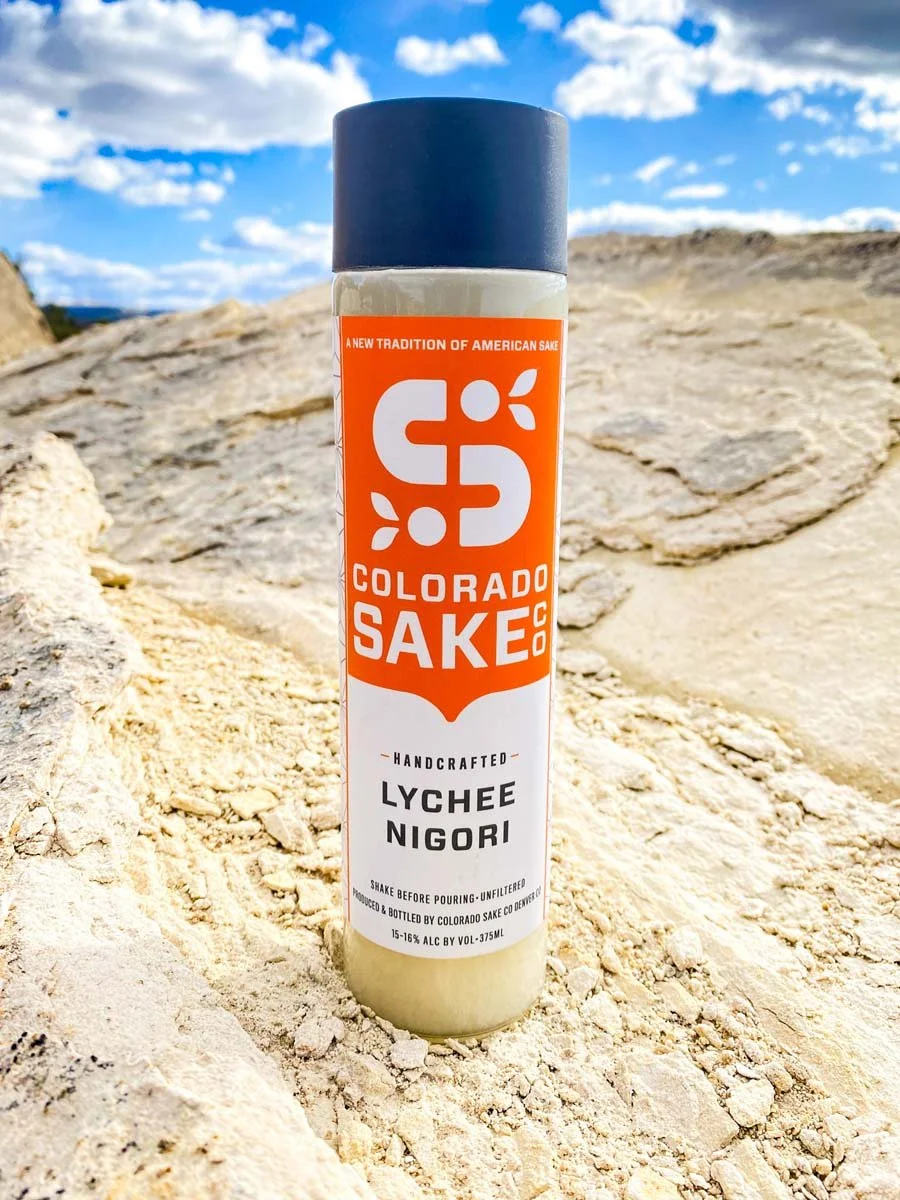
Lychee Sake: What It Is and How We Brew Ours
Explore lychee sake, its tropical flavors, and how Colorado Sake Co., Denver's first sake brewery, crafts its unique Lychee Nigori. Learn about our brewing process, pairings, and where to find it.
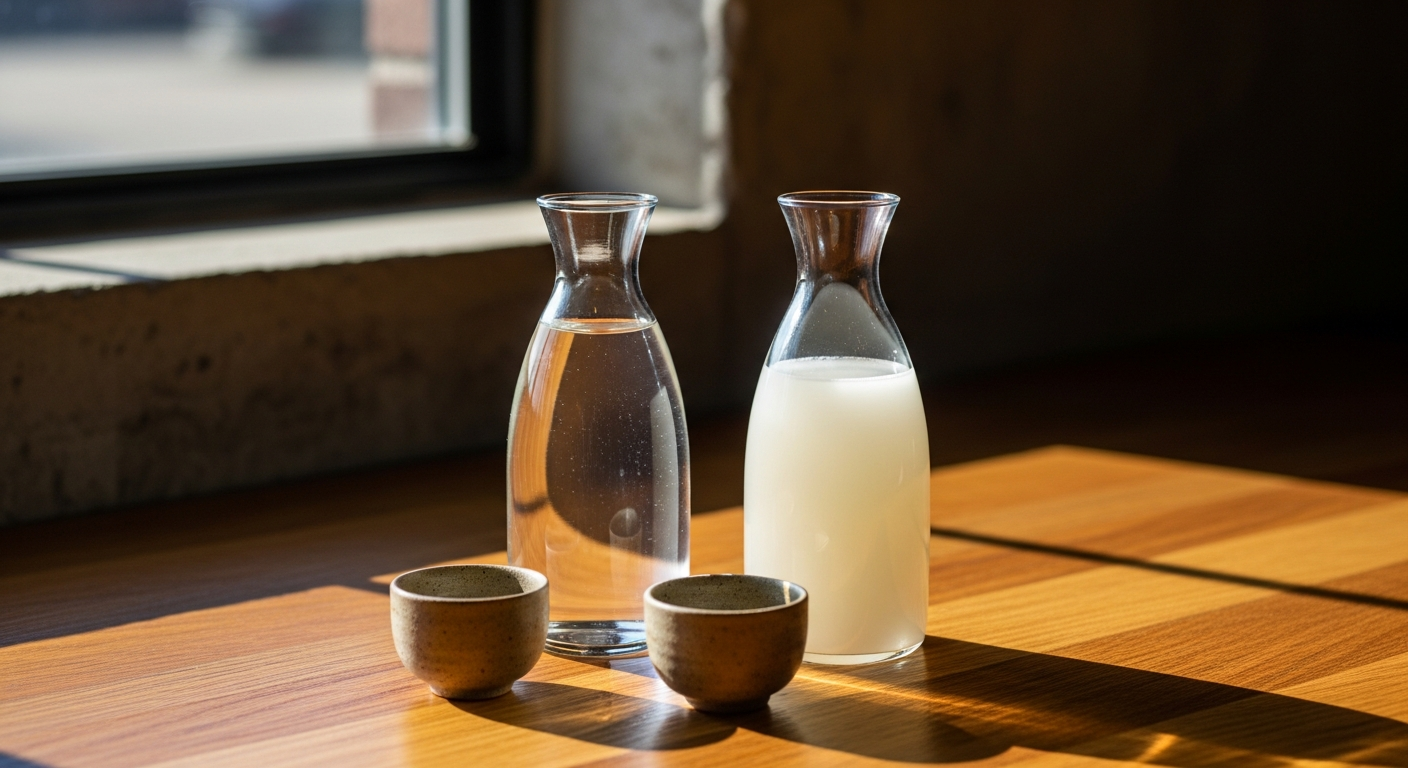
What Does Sake Taste Like? A Brewer's Honest Answer
Curious what does sake taste like? Get an honest answer from a Denver sake brewer, exploring the nuanced flavors, brewing process, and local pairings at Colorado Sake Co.
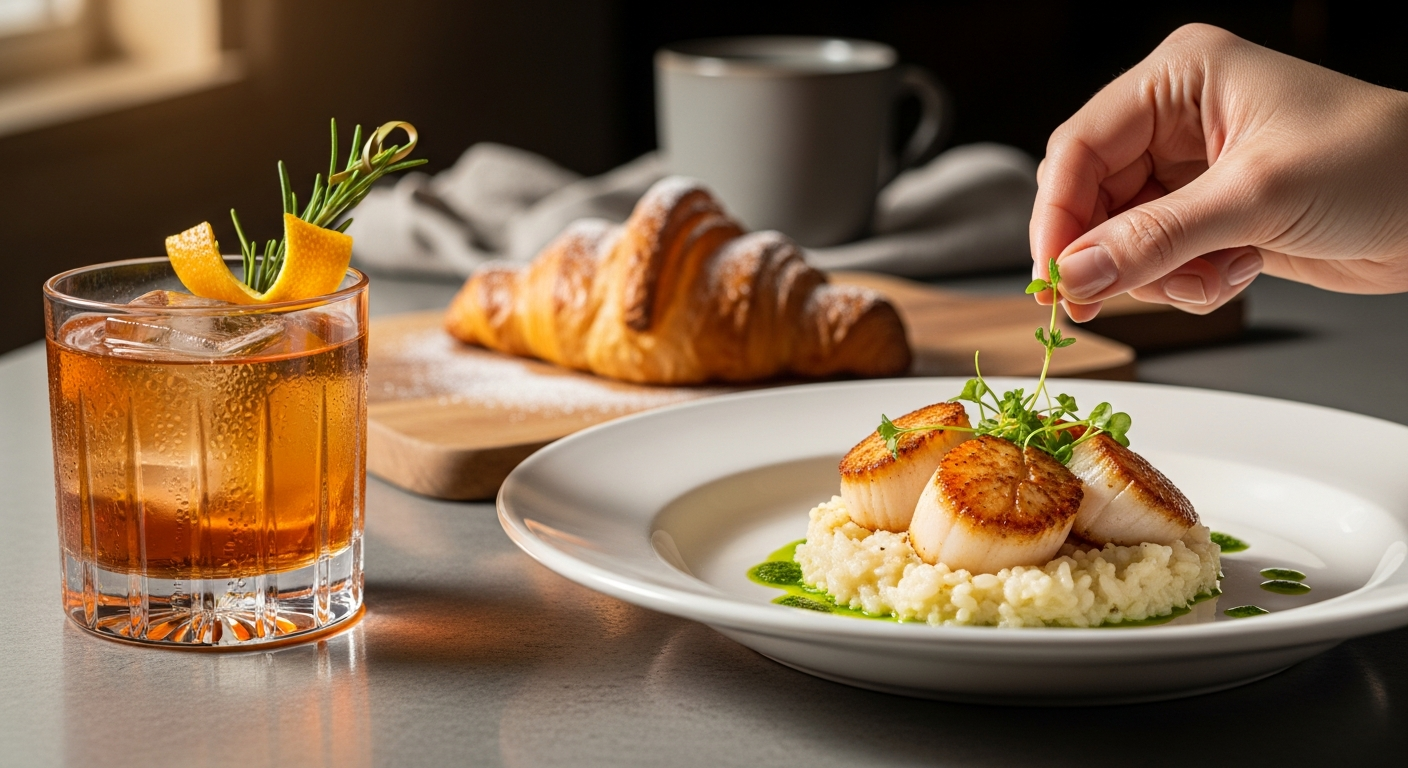
Cooking With Sake: How to Use It in the Kitchen
Sake does more than fill a glass, it adds umami, tenderizes meats, and cleans up strong flavors. Here's how we cook with it at Colorado Sake Co. in Denver.
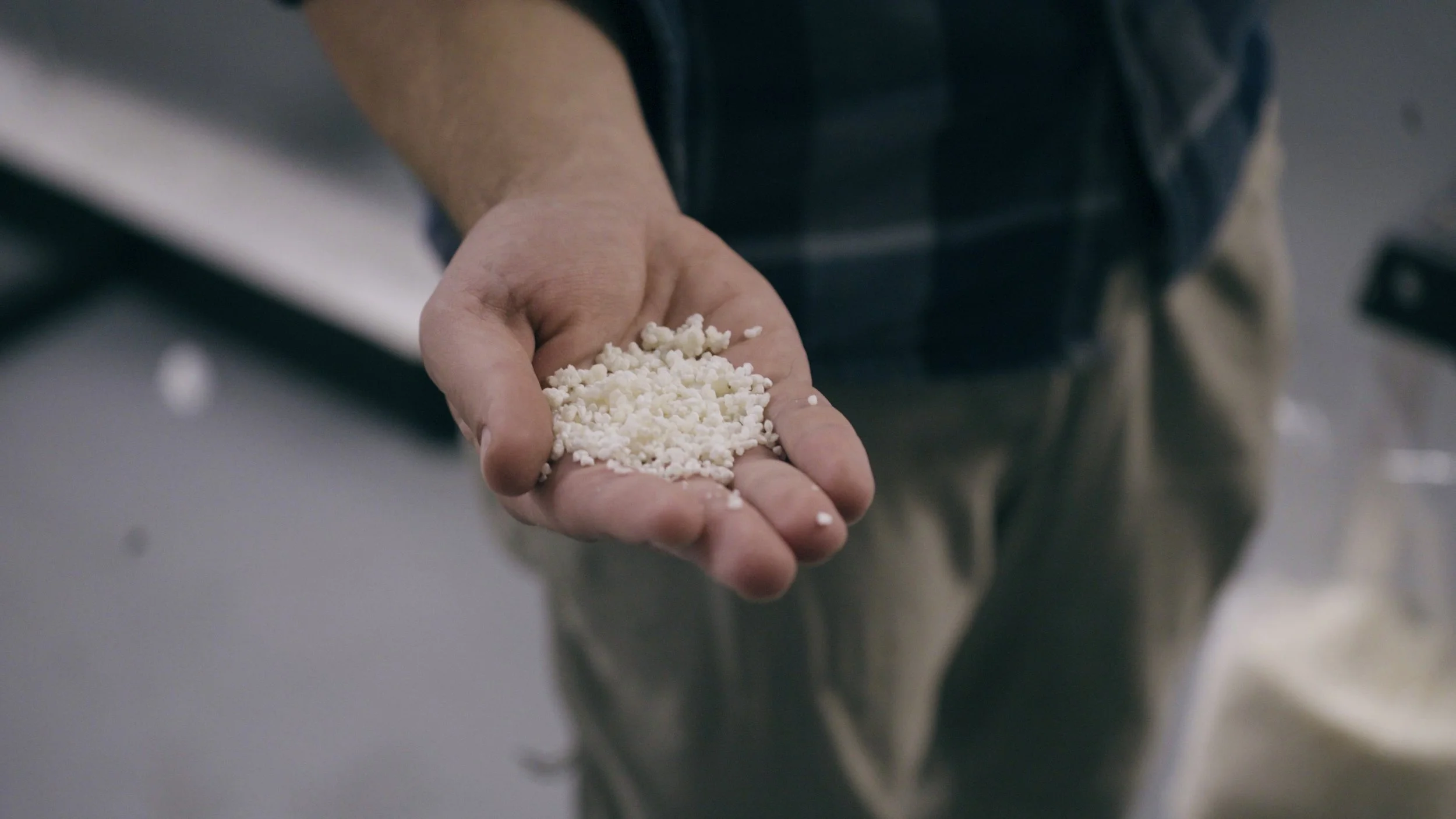
What Is Koji? The Mold Behind Every Bottle of Sake
Koji, the beneficial mold Aspergillus oryzae, is the enzyme powerhouse that transforms rice into sake and creates the umami in many Japanese foods. Learn more about this crucial ingredient.
How to Store Sake: A Brewery's Guide to Keeping It Fresh
Discover the best ways to store sake, ensuring every glass is as fresh and flavorful as intended. This guide covers everything from refrigeration to light protection.
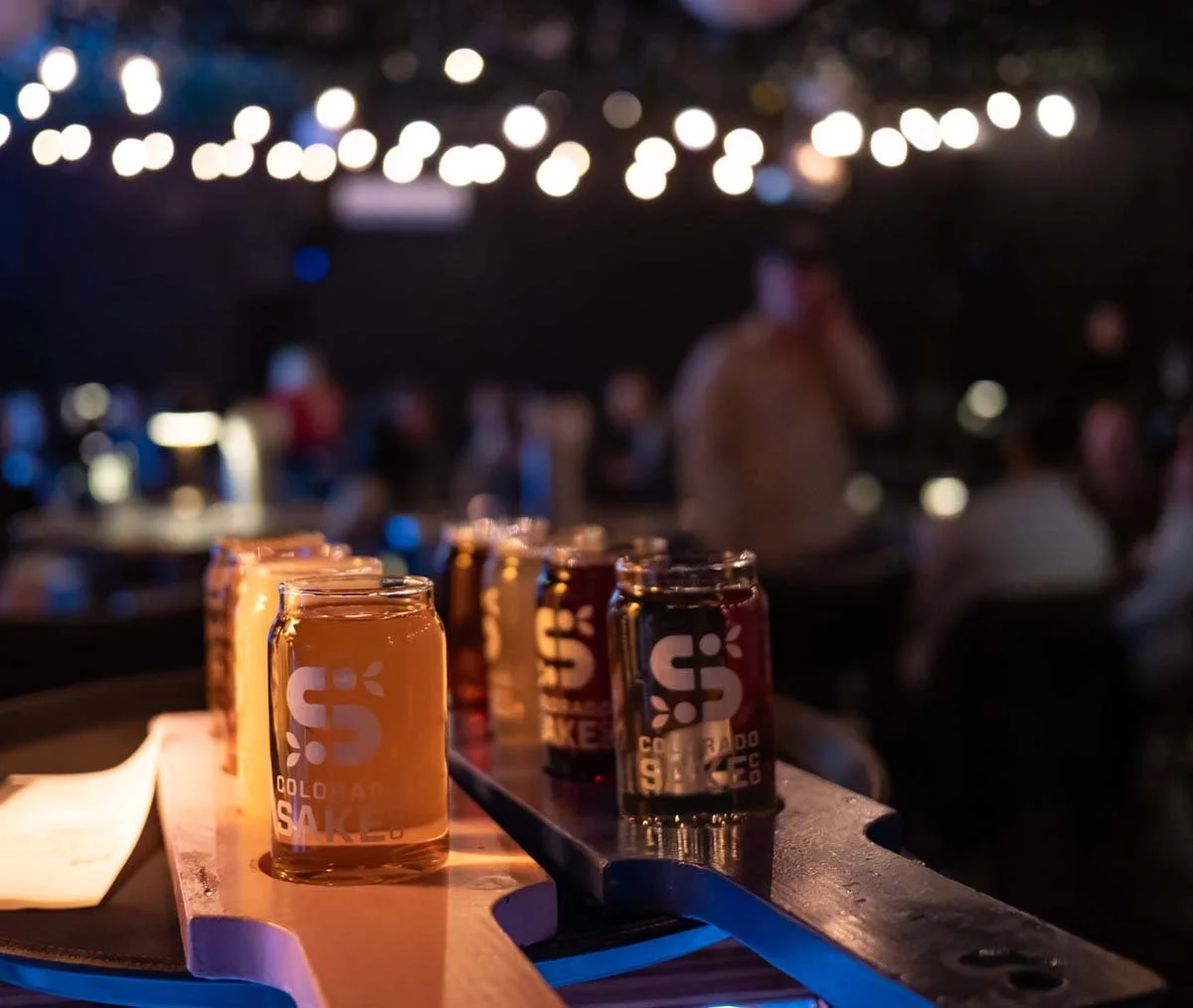
The Colorado Sake Co. Field Guide to Sake
A working brewery's plain-English glossary of the sake terms on every bottle, from junmai and ginjo to koji, nigori, genshu, and seimaibuai, written by the brewers who use them. Updated for 2026.